Blog

7 Tips for Buying a Modular Restaurant Cabin

7 Tips for Buying a Modular Restaurant Cabin

A Modular Restaurant Cabin can turn an empty lot into a working dining space, but the purchase deserves more than a quick price comparison. Picture a narrow service counter, a delivery van reversing beside the entrance, and staff carrying supplies through a compact kitchen. Those details shape daily operations. Small details matter. Building-design thinker Stewart Brand wrote, “All buildings are predictions. All predictions are wrong.” His observation offers a useful lens for cabin buyers: plans meet real weather, customer flow, and equipment needs. It is not a quote about restaurant cabins specifically, but it captures why careful planning matters. A polished rendering cannot confirm that a refrigerator fits beside the prep area or that the queue stays clear of the door. This guide outlines seven practical checks, from layout and materials to utilities, delivery access, and supplier support. Compare specifications, ask for relevant project examples, and confirm what the quoted price includes. Look closely at ventilation, insulation, plumbing, and electrical capacity. Ask how changes affect cost and delivery time. Simple questions can uncover costly gaps. A low purchase price may look attractive. It may also leave essential work outside the quote. That is easy to miss. The right Modular Restaurant Cabin depends on your menu, site, staffing, and service style—not just its size or appearance. Use these tips as a starting point, then test each assumption against your actual operating plan. A checklist helps, but it cannot replace a site-specific review.
Read more »
Liora
By:Liora - November 2, 2026
7 Best Prefab Clinic Cabin Options for Global Buyers?

7 Best Prefab Clinic Cabin Options for Global Buyers?

Choosing the right Prefab Clinic Cabin involves more than comparing prices, floor areas, or delivery dates. Global buyers must examine patient flow, ventilation, insulation, sanitation, electrical capacity, and local installation conditions. A cabin placed beside a rural road may face dust, heat, heavy rain, or unstable power. These details can shape clinical performance. Architect and prefabrication researcher Dr. John Quale offers a useful principle: “Prefabrication is not a shortcut; it is a design decision that must be tested.” This warning matters. A factory-built cabin can arrive quickly, yet poor planning may create narrow corridors, difficult maintenance access, or unsuitable waiting areas. Fast delivery is not the same as reliable healthcare infrastructure. This guide reviews seven practical Prefab Clinic Cabin options for international buyers. They include steel-frame cabins, insulated sandwich-panel units, converted container clinics, timber systems, hybrid modular cabins, mobile medical cabins, and expandable units. Each option has different strengths. Some provide stronger durability. Others reduce transport costs or simplify future expansion. The comparison considers climate resistance, interior hygiene, modular flexibility, transport limits, utility connections, and long-term servicing. It also recognizes an uncomfortable truth: the cheapest cabin may become expensive after installation. Replacement filters, damaged panels, weak flooring, and delayed spare parts can quietly increase ownership costs. Specifications matter. So does the supplier’s field experience. Buyers should verify drawings, material certificates, testing records, warranty terms, and local approvals before ordering. No single cabin fits every market.
Read more »
Liora
By:Liora - October 28, 2026
What Is the Best PUF Insulated Clean Room in China?

What Is the Best PUF Insulated Clean Room in China?

Choosing the best PUF Insulated Clean Room in China requires more than comparing panel prices. It requires evidence, engineering judgment, and verified factory performance. Polyurethane foam panels can provide strong thermal insulation, smooth internal surfaces, and efficient temperature control. These features matter when production areas must remain stable under demanding conditions. Market reports show why this decision deserves care. MarketsandMarkets valued the global cleanroom technology market at about USD 5 billion in 2023. It forecasts continued growth through 2028, driven by pharmaceuticals, electronics, and medical manufacturing. However, most reports do not isolate PUF panels as a separate category. That limitation matters. Buyers should avoid treating broad market figures as proof of product quality. Cleanroom specialist William Whyte has emphasized, “The main source of contamination in a cleanroom is the operator.” His observation remains practical. A well-built room can still fail through poor airflow, weak sealing, or careless maintenance. ISO 14644-1 classifies airborne cleanliness by particle concentration, but it does not certify a supplier’s workmanship. The factory must demonstrate particle testing, pressure control, thermal data, and installation records. The best PUF Insulated Clean Room in China should therefore combine certified materials with disciplined execution. Inspect the panel joints. Check the door seals. Ask for independent test reports. Review the supplier’s experience with similar facilities. A cold, bright room with visible gaps is not a success. There is no universal winner. The right choice depends on process sensitivity, humidity targets, room classification, budget, and future expansion. Sometimes, the cheapest quotation hides the most expensive correction. Supplier claims should be tested, not simply trusted.
Read more »
Ethan Carter By:Ethan Carter - October 23, 2026
How to Choose the Best Solar Control Room Cabin?

How to Choose the Best Solar Control Room Cabin?

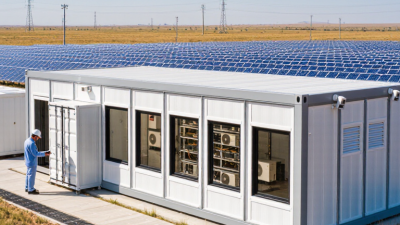
Choosing the best Solar Control Room Cabin begins with operational reality, not appearance. A cabin may look modern yet fail during heat, dust, or unstable power conditions. The IEA PVPS Trends in Photovoltaic Applications 2024 report recorded more than 400 GW of new solar capacity worldwide in 2023. This rapid expansion increases the need for dependable monitoring spaces near photovoltaic fields. A control cabin must protect operators, communication equipment, monitoring systems, and emergency controls every day. Thermal performance deserves close attention. At midday, a poorly insulated cabin can feel like a metal oven, especially beside reflective solar panels. Review insulation values, solar heat gain, ventilation, air conditioning, and backup power together. IEC 62477-1 provides safety requirements for power electronic converter systems and offers a useful reference for related electrical protection decisions. The International Energy Agency also stresses grid flexibility, digital monitoring, and reliable system integration as solar penetration grows. These priorities should influence cabin layout and equipment selection. Practical details often decide performance. Check cable entries, drainage, lighting, fire detection, access control, and space for future equipment. A technician should reach the battery cabinet without crossing the operator’s working zone. Remote sites also need corrosion-resistant materials and simple maintenance access. No specification is perfect. Dust levels may be underestimated, and cooling loads may change after installation. Therefore, compare supplier test records, climate data, maintenance experience, and applicable local standards before purchasing. The best choice is not necessarily the largest cabin. It is the one that keeps people, data, and electrical assets protected under real site conditions.
Read more »
Ethan Carter By:Ethan Carter - October 18, 2026
China Top 10 PUF Insulated Control Room Manufacturers

China Top 10 PUF Insulated Control Room Manufacturers

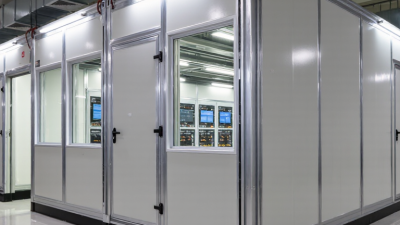
China’s PUF Insulated Control Room market supports demanding applications across power, energy, chemicals, and manufacturing. Buyers need more than attractive panel prices. They need verified thermal performance, fire behavior, airtightness, and installation quality. MarketsandMarkets estimates the global cleanroom technology market could grow from about USD 7.1 billion in 2024 to USD 11.1 billion by 2029. Grand View Research also reports continued expansion in the global sandwich panel sector, driven by energy efficiency and modular construction. These figures show stronger demand for controlled, prefabricated environments. They do not guarantee equal quality among suppliers. Dr. John Straube, a recognized building-envelope expert, states, “Insulation is not a substitute for air sealing.” That warning matters inside every PUF Insulated Control Room. A poorly sealed joint can admit humid air, create condensation, and weaken temperature stability. Reliable manufacturers therefore document panel density, core thickness, thermal conductivity, joint design, and testing procedures. They should also explain how doors, cable penetrations, lighting, and HVAC interfaces are sealed. This China Top 10 ranking considers those practical details. It also examines customization, production experience, certifications, project references, and after-sales support. No ranking is perfectly objective. Supplier data can change, and published claims require independent verification. Some manufacturers excel in rapid delivery, while others provide stronger engineering support. The best choice depends on operating temperature, cleanliness requirements, fire strategy, and local compliance needs. Small details matter.
Read more »
Elowen By:Elowen - October 13, 2026
How to Choose the Best Portable Office Cabin?

How to Choose the Best Portable Office Cabin?

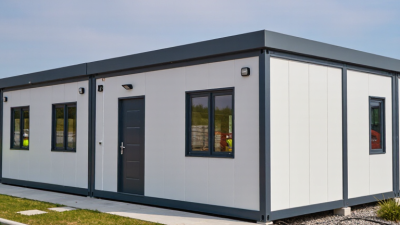
Choosing the right Portable Office Cabin requires more than comparing prices and floor areas. Hybrid work has changed how businesses use physical space. McKinsey Global Institute’s The Future of Work after COVID-19 estimates that 20–25% of workers in advanced economies could work remotely three to five days weekly. This shift increases demand for private, adaptable, and professional workspaces. A reliable selection process should examine insulation, ventilation, lighting, acoustic performance, electrical capacity, and installation time. JLL’s workplace research shows that employees increasingly expect offices to support focus, collaboration, and wellbeing. A cabin with thin walls and poor airflow may look efficient, but it can quickly become uncomfortable. Space matters. So does performance. Grand View Research’s modular construction analysis identifies faster delivery, cost control, and reduced site disruption as important market drivers. These advantages make a Portable Office Cabin attractive for expanding teams, temporary projects, schools, and commercial sites. However, published market forecasts vary widely. The numbers are not perfect. Buyers should verify specifications with manufacturers and consult qualified local professionals about planning, fire safety, accessibility, and electrical requirements. The best choice depends on real working conditions. Consider the number of users, equipment loads, climate, transport access, future relocation, and total ownership cost. A low purchase price may hide foundation work, delivery fees, maintenance, and climate-control expenses. Do not guess. Compare documented performance, warranty terms, certifications, and installation records. This guide explains how to assess each factor clearly, while acknowledging that the ideal cabin is not always the largest or cheapest model.
Read more »
Ethan Carter By:Ethan Carter - October 8, 2026
2026 Best Prefab Wooden House Types and Prices?

2026 Best Prefab Wooden House Types and Prices?

Choosing a prefab wooden house in 2026 requires more than comparing attractive catalog photos. Buyers should examine floor plans, timber quality, insulation, transport distance, installation work, and local building requirements. A compact 40-square-meter cabin may look affordable online, yet foundation preparation and utility connections can change the final budget. This guide introduces popular Prefab Wooden House types, including garden studios, modular family homes, Scandinavian cabins, and larger timber-frame residences. It explains typical price ranges, construction features, delivery conditions, and expected maintenance. Prices vary by country, supplier, materials, labor costs, and customization. They are useful estimates, not promises. Real projects often reveal details that brochures omit. A buyer may notice moisture around a poorly sealed window after the first winter. An experienced supplier should explain ventilation, roof drainage, fire safety, warranty limits, and replacement procedures clearly. Independent inspections can also confirm the structure, insulation, and installation quality before completion. Do not rely on photographs alone. That uncertainty matters. This overview follows practical purchasing experience and widely used construction principles, while recognizing that standards differ between regions. It also compares short-term savings with long-term ownership costs, including heating, repainting, repairs, and insurance. Some assumptions may need revision as material prices change. Careful readers should request written quotations, verify supplier credentials, and consult qualified local professionals before signing a contract. A beautiful wooden home should remain comfortable, durable, and financially realistic after the excitement fades.
Read more »

Liora
By:Liora - October 3, 2026
What Is the Best Modular Wooden Arc Pod in 2026?

What Is the Best Modular Wooden Arc Pod in 2026?

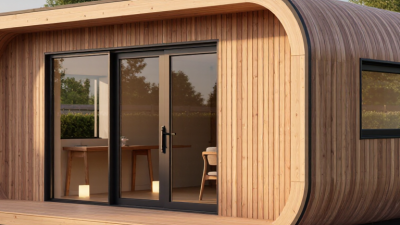
Choosing the best Modular Wooden Arc Pod in 2026 is not simply a matter of picking the most attractive curved structure. A pod may serve as a quiet garden workspace, reading nook, studio, or compact retreat, and each use changes what “best” means. The right choice should fit your site, budget, climate, and daily routine—not just a product photograph. This guide examines practical details to consider before buying: timber type and finish, frame design, insulation, ventilation, glazing, floor preparation, delivery, assembly, and after-sales support. Look for clear dimensions, maintenance instructions, and written information about materials. Ask how the pod is designed to handle rain, temperature changes, and regular use. If specifications are vague, ask for clarification rather than assuming the product is unsuitable. Small details matter. A beautiful arc can still feel cramped if the doorway, desk, or window placement does not suit you. There is no universal winner. Prices and features can change, and a showroom impression may differ from life in a damp, windy garden. This comparison aims to separate practical strengths from attractive claims, while noting where available information is limited. Some trade-offs remain. By weighing comfort, durability, installation needs, and long-term upkeep together, readers can identify a Modular Wooden Arc Pod that genuinely suits their space—and recognize when a simpler design may be wiser.
Read more »
Ethan Carter By:Ethan Carter - September 28, 2026
China Top Prefab A-Frame Cabin Manufacturers

China Top Prefab A-Frame Cabin Manufacturers

China has become a significant sourcing center for the Prefab A-Frame Cabin market. Its manufacturers offer factory production, modular transport, and flexible interior packages. Yet a polished catalog cannot replace careful technical review. A reliable comparison should examine structural engineering, timber treatment, insulation depth, window performance, and roof drainage. Snow loads matter in northern regions. Coastal projects need stronger moisture protection. Factory quality control also deserves attention, especially around joints, fasteners, vapor barriers, and electrical routes. These small details often decide whether a cabin feels solid after several winters. Architect Michael Green, a respected mass-timber specialist, has said, “Wood is the only major building material that grows.” That idea explains the appeal of timber A-frame construction, but responsible sourcing remains essential. Manufacturers should provide clear information about timber origin, treatment methods, fire performance, and applicable certifications. Local approval requirements must also be checked before ordering. The best suppliers usually share technical drawings, material specifications, installation guidance, and realistic delivery schedules. They explain what the factory includes and what the buyer must complete locally. That distinction prevents expensive surprises. A low quotation can look attractive. It may also exclude foundations, insulation upgrades, transport, or weather sealing. No manufacturer is perfect. Even experienced factories may overlook a site-specific issue. Buyers should request samples, inspect previous projects, and ask direct questions about warranty coverage. This guide introduces leading China Prefab A-Frame Cabin manufacturers through practical criteria, not promotional claims. The goal is a clearer decision, though every project still requires independent engineering and local professional advice.
Read more »
Ethan Carter By:Ethan Carter - September 23, 2026
Top Modular Container House Manufacturers Worldwide?

Top Modular Container House Manufacturers Worldwide?

The global Modular Container House market is gaining attention as buyers seek faster delivery, lower material waste, and adaptable housing. Yet market claims require careful checking. Grand View Research estimates that the global modular construction market reached approximately USD 91.8 billion in 2022. Its report projects continued growth through 2030, supported by urban housing demand and factory-based production. The Modular Building Institute also reports strong activity in permanent modular construction, especially across residential, education, and commercial projects. These figures describe modular construction broadly, not container houses alone. That distinction matters. The stakes are tangible. Tom Hardiman, Executive Director of the Modular Building Institute, has said, “Modular construction is a process, not a product.” This principle guides our comparison of leading manufacturers worldwide. A serious supplier should demonstrate structural engineering experience, factory quality controls, insulation performance, fire-safety documentation, and reliable installation support. Certifications and completed projects deserve more weight than attractive photographs. This guide examines top Modular Container House manufacturers through practical criteria, including design flexibility, delivery capacity, material transparency, climate suitability, and after-sales service. We also consider whether a company genuinely converts shipping containers or uses container-inspired steel modules. The difference affects thermal comfort, corrosion resistance, interior space, and long-term maintenance. Some rankings remain imperfect. Manufacturers often publish different project figures, currencies, and regional definitions. Independent verification can also be limited. Therefore, readers should treat this overview as a research starting point, not a final purchasing decision. Local building approvals, site conditions, transport routes, and total lifecycle costs must still be checked before signing any contract.
Read more »
Elowen By:Elowen - September 23, 2026
Why Choose a Prefab Site Office for Your Business?

Why Choose a Prefab Site Office for Your Business?

A Prefab Site Office gives businesses a practical workspace without the delays of traditional construction. It arrives largely prepared, helping teams establish a professional base near active projects, warehouses, or remote work areas. In real operations, this can mean fewer weeks spent waiting for walls, wiring, and basic facilities. The value extends beyond speed. Modern units can include insulated panels, secure doors, energy-efficient lighting, data connections, and climate control. These features support safer communication and more comfortable working conditions throughout changing seasons. A well-planned layout may provide private offices, meeting space, storage, and a small welfare area within a compact footprint. That matters when every square metre affects productivity. However, a Prefab Site Office is not automatically the right choice. Poor insulation, limited access, or unsuitable foundations can create expensive problems later. Site managers should review local conditions, expected occupancy, fire safety requirements, accessibility, and future relocation needs. Supplier experience also matters. Reliable manufacturers should explain materials, installation procedures, maintenance schedules, and warranty coverage clearly. Small details matter. A muddy entrance can disrupt visitors. Weak ventilation can frustrate staff. Insufficient sockets may force unsafe-looking cable arrangements, even when the building meets basic specifications. Careful planning reduces these risks, although no decision is completely free from compromise. Businesses should compare lifecycle costs, not only the purchase price. With professional advice and realistic site assessment, a prefab office can become a dependable workplace rather than a temporary shortcut.
Read more »
Ethan Carter By:Ethan Carter - September 23, 2026