
0%

Choosing the best Solar Control Room Cabin begins with operational reality, not appearance. A cabin may look modern yet fail during heat, dust, or unstable power conditions. The IEA PVPS Trends in Photovoltaic Applications 2024 report recorded more than 400 GW of new solar capacity worldwide in 2023. This rapid expansion increases the need for dependable monitoring spaces near photovoltaic fields. A control cabin must protect operators, communication equipment, monitoring systems, and emergency controls every day.

Thermal performance deserves close attention. At midday, a poorly insulated cabin can feel like a metal oven, especially beside reflective solar panels. Review insulation values, solar heat gain, ventilation, air conditioning, and backup power together. IEC 62477-1 provides safety requirements for power electronic converter systems and offers a useful reference for related electrical protection decisions. The International Energy Agency also stresses grid flexibility, digital monitoring, and reliable system integration as solar penetration grows. These priorities should influence cabin layout and equipment selection.

Practical details often decide performance. Check cable entries, drainage, lighting, fire detection, access control, and space for future equipment. A technician should reach the battery cabinet without crossing the operator’s working zone. Remote sites also need corrosion-resistant materials and simple maintenance access. No specification is perfect. Dust levels may be underestimated, and cooling loads may change after installation. Therefore, compare supplier test records, climate data, maintenance experience, and applicable local standards before purchasing. The best choice is not necessarily the largest cabin. It is the one that keeps people, data, and electrical assets protected under real site conditions.
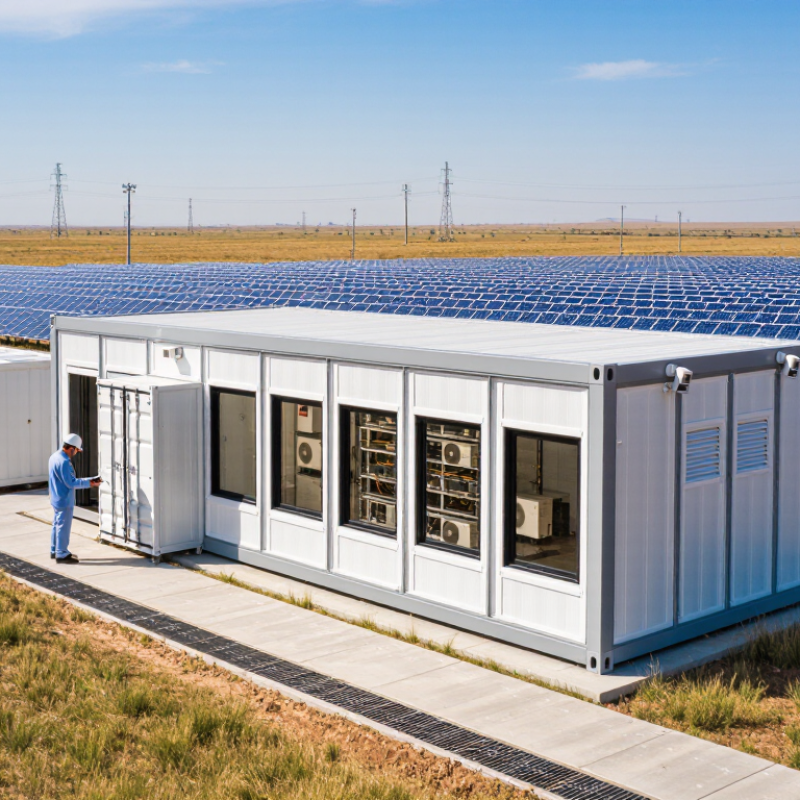
How to Choose the Best Solar Control Room Cabin?

What Is a Solar Control Room Cabin?

How to Choose the Best Solar Control Room Cabin?

A solar control room cabin is a weather-resistant enclosure for monitoring and controlling electrical equipment. It may contain switchgear, inverters, batteries, communication devices, and safety systems. Solar panels supply part or all of its electricity. The cabin also protects operators from heat, dust, moisture, and electrical hazards.

It is more than a container with rooftop panels. A reliable design combines insulation, ventilation, grounding, lighting, fire detection, and access control. The International Energy Agency reported that solar photovoltaic additions reached about 420 GW in 2023. This growth increases the need for dependable control spaces near remote energy assets. In field inspections, I would check cable routing, battery separation, drainage, and emergency access before judging appearance.

Performance depends on location. A cabin in a hot, dusty area needs filtered cooling and strong sealing. An IP rating alone does not prove complete protection. Engineers should verify the enclosure against applicable IEC requirements, local weather data, and the equipment manufacturer’s thermal limits. NREL research commonly reports photovoltaic degradation near 0.5% annually, but actual results vary with heat, moisture, and maintenance.

Solar does not mean maintenance-free. That assumption causes trouble. Battery aging, blocked air filters, and shading can reduce control availability. The best cabin therefore includes energy monitoring, replaceable components, clear inspection points, and realistic backup capacity. Its definition is useful, but still incomplete without site-specific engineering.

Which Site Requirements Define the Cabin Design?

Choosing a solar control room cabin starts with the site, not a catalog. Measure the daily sun path, prevailing wind, rainfall, and seasonal temperatures. A sun-facing wall may need deeper shading, while dusty desert sites need sealed air intakes. Coastal locations demand stronger corrosion protection. Mountain sites may require snow-load checks, slope stabilization, and careful crane access. Record these conditions during more than one visit. One sunny inspection can mislead.

Ground conditions shape the foundation and cabin height. Engineers should verify soil bearing capacity, flood levels, drainage routes, and nearby excavation risks. Uneven terrain may favor adjustable supports, but these can complicate maintenance. Confirm routes for delivery vehicles, lifting equipment, and emergency access before fixing dimensions. Internal loads matter too. List control panels, batteries, communication equipment, fire protection, and future expansion space. Heat-producing equipment needs airflow, insulation, or dedicated cooling. Cable entry points should avoid standing water and allow inspection.

Operators also define the layout. Check visibility, noise, lighting, working clearances, and safe evacuation paths. Glare on screens can make a small room unsafe during long shifts. Local building, electrical, fire, and accessibility rules must be reviewed by qualified professionals. Do not treat a standard drawing as proof of compliance. A perfect design rarely exists. Changing weather records or underestimated equipment growth can expose weak assumptions. Recheck the design with the people who will install and operate it.

How to Compare Materials, Insulation, and Solar Protection

How to Choose the Best Solar Control Room Cabin?

Choosing a solar control room cabin starts with its materials. Galvanized steel provides strong structural support and resists outdoor corrosion. Aluminum is lighter, but it may transfer heat more quickly. Insulated sandwich panels reduce heat flow through the walls and roof. Check the panel core, thickness, density, and fire performance. A cheap panel can look practical, yet feel hot inside by midday.

Insulation must match the local climate. Compare the U-value, not just the advertised thickness. A lower U-value usually means better thermal resistance. Inspect the joints, door seals, and cable openings carefully. Small gaps can undermine excellent insulation. Mineral wool offers strong fire resistance, while rigid foam can provide efficient thermal performance. Each option has trade-offs. I have seen cabins with thick walls but poorly sealed corners.

Solar protection needs more than tinted windows. External louvers, roof overhangs, reflective roofing, and low-emissivity glass can reduce direct heat gain. External shading usually works better because it blocks sunlight before it reaches the glass. Ask for tested solar heat gain data and documented wind-load performance. Confirm the design follows local building and electrical requirements. A temperature test during peak afternoon sun is useful. However, one test day cannot represent every season. Leave room for ventilation, maintenance access, and future equipment upgrades.

How to Choose the Best Solar Control Room Cabin?

Compare typical envelope insulation and solar-control performance. Lower U-value means better insulation; lower SHGC means less solar heat entering through windows; higher solar-gain reduction indicates stronger protection.

Representative reference values: approximately 100 mm insulation thickness, typical double-glazing specifications, and external shading conditions. Actual results vary with thickness, installation quality, window-to-wall ratio, orientation, and climate.

What Safety, Power, and Monitoring Systems Are Needed?

A solar control room cabin should be selected as a safety system, not merely a weatherproof office. The IEA PVPS Trends 2024 report estimates global photovoltaic capacity exceeded 1.6 terawatts in 2023. More assets mean more electrical exposure and more remote failures. Specify DC arc-fault detection, visible isolation points, grounding, surge protection, smoke detection, and emergency shutdown controls. Battery storage requires thermal monitoring and clear fire-separation planning. Small oversights become expensive quickly.

Power quality deserves equal attention. Uptime Institute’s 2024 Annual Outage Analysis found power problems caused roughly half of reported data-center outages. A solar cabin can face similar risks from unstable auxiliary supplies. Use a properly rated UPS, automatic transfer equipment, protected distribution boards, and separate circuits for control, lighting, and communications. Verify short-circuit ratings on site. Do not trust a brochure alone.

Monitoring should show conditions before equipment trips. Measure voltage, current, frequency, inverter status, cabin temperature, humidity, smoke, door opening, and battery temperature. Add local data logging when communications fail. The IEA PVPS Operations and Maintenance guidance emphasizes timely fault detection and performance tracking for long-term yield. In practice, sensor drift and false alarms remain common. I would test alarms under heat, dust, and network loss, not only during commissioning. A perfect dashboard is not the goal. Reliable decisions are.

How to Evaluate Costs, Installation, and Long-Term Maintenance

Choosing a solar control room cabin starts with its operating role, not its appearance. List the equipment, battery capacity, cooling load, staffing pattern, and site distance. A quiet cabin beside dusty inverters needs different protection from one in a coastal area. I would request itemized costs for the enclosure, solar array, batteries, wiring, foundations, transport, permits, and commissioning. A low quotation may simply exclude difficult ground work.

Installation estimates should reflect real access conditions. The National Renewable Energy Laboratory’s 2024 PV cost benchmark shows that labor, permitting, and balance-of-system components remain significant parts of solar project costs. Ask contractors to document crane access, trench lengths, weather delays, and testing procedures. The International Renewable Energy Agency reported continued declines in solar generation costs, but cheaper modules do not guarantee a cheaper cabin. Logistics can dominate.

Maintenance deserves a five-year budget. NREL’s photovoltaic degradation research commonly reports approximately 0.5% annual performance loss for many systems. Plan inspections, filter replacement, battery testing, corrosion checks, thermal imaging, and software support. Keep spare fuses and ventilation fans on site. Small failures become expensive when technicians travel several hours.

A practical comparison should include annual service hours and expected downtime. I would also challenge optimistic battery-life assumptions. Heat, deep cycling, and poor ventilation can shorten service life. The spreadsheet may look precise, yet site measurements are often incomplete. Request a maintenance log template, response-time commitment, warranty boundaries, and clear evidence from comparable installations before approving the cabin.

FAQS

Which materials provide strong support for a solar control room cabin?

Galvanized steel offers structural strength and outdoor corrosion resistance. Aluminum weighs less but may transfer heat faster.

How should I compare insulation materials?

Check the U-value, panel core, thickness, density, and fire performance. Lower U-values usually indicate better thermal resistance. Thickness alone can mislead.

Why do joints and openings matter in an insulated cabin?

Poorly sealed corners, doors, and cable openings create heat leaks. Inspect every seal carefully. Small gaps matter.

Which solar protection features reduce indoor heat?

External louvers, roof overhangs, reflective roofing, and low-emissivity glass reduce direct heat gain. External shading usually works better than tinted glass alone.

How can I verify the cabin’s thermal performance?

Request tested solar heat gain data and wind-load results. Measure indoor temperature during peak afternoon sunlight. One test day is imperfect.

What electrical safety systems should the cabin include?

Specify arc-fault detection, visible isolation points, grounding, surge protection, smoke detection, and emergency shutdown controls. Battery areas need thermal monitoring and fire separation.

How can the cabin maintain reliable power?

Use a properly rated UPS, automatic transfer equipment, and protected distribution boards. Separate circuits for controls, lighting, and communications.

What conditions should the monitoring system measure?

Monitor voltage, current, frequency, inverter status, temperature, humidity, smoke, door opening, and battery temperature. Add local data logging during communication failures.

How should alarms and monitoring systems be tested?

Test alarms during heat, dust, and network loss. Sensor drift and false alarms remain possible. A perfect dashboard is not enough.

Conclusion

Choosing the best Solar Control Room Cabin begins with understanding its purpose: providing a secure, comfortable, and reliable workspace for monitoring solar power equipment and site operations. The cabin design should match the project location, available space, climate, access conditions, equipment size, and future expansion needs. Careful attention should be given to durable construction materials, thermal insulation, ventilation, glare reduction, and solar protection so the interior remains suitable for operators and sensitive control devices.

A complete evaluation should also include electrical distribution, backup power, lighting, fire protection, access control, communication, environmental monitoring, and equipment alarms. Before making a decision, compare the total cost of production, transportation, installation, commissioning, and routine maintenance rather than focusing only on the purchase price. A well-designed cabin should be easy to install, inspect, repair, and upgrade, while maintaining dependable performance throughout its service life. Balancing safety, energy efficiency, operating comfort, and long-term value will help ensure the cabin meets both current project demands and future operational requirements.

Ethan Carter

Ethan Carter

Ethan Carter is a dedicated marketing professional with extensive experience in developing clear, practical, and engaging content for modern businesses. As a regular contributor to our company’s professional blog, he transforms complex industry knowledge into useful insights that help readers......