1. ESG Compliance and Carbon Accounting in Real Estate
Global real estate investment trusts (REITs) and hospitality conglomerates are under strict mandates to lower embodied carbon across their physical assets. Traditional concrete and brick construction are carbon-intensive, producing approximately 8% of total global CO2 emissions through cement production alone.
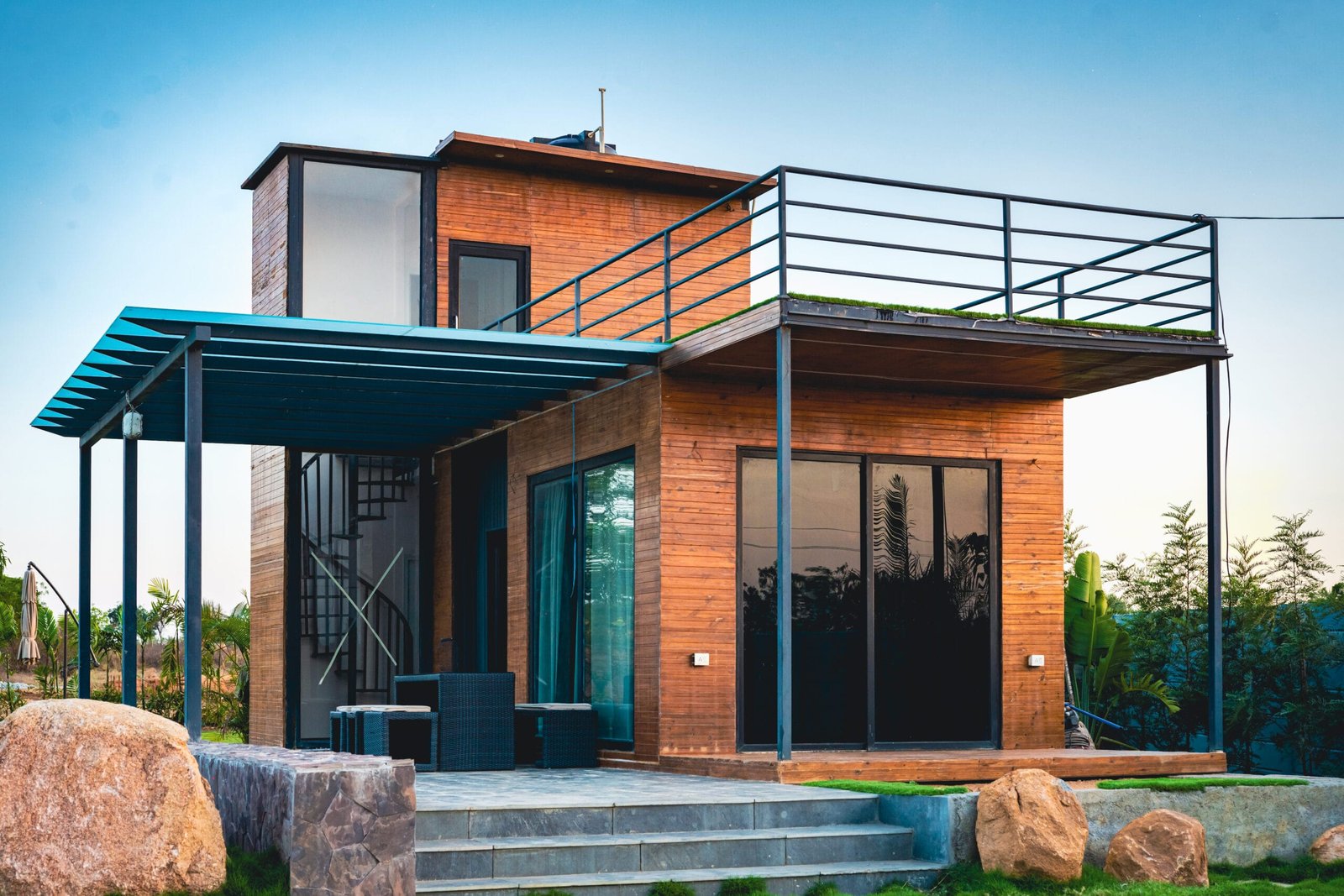
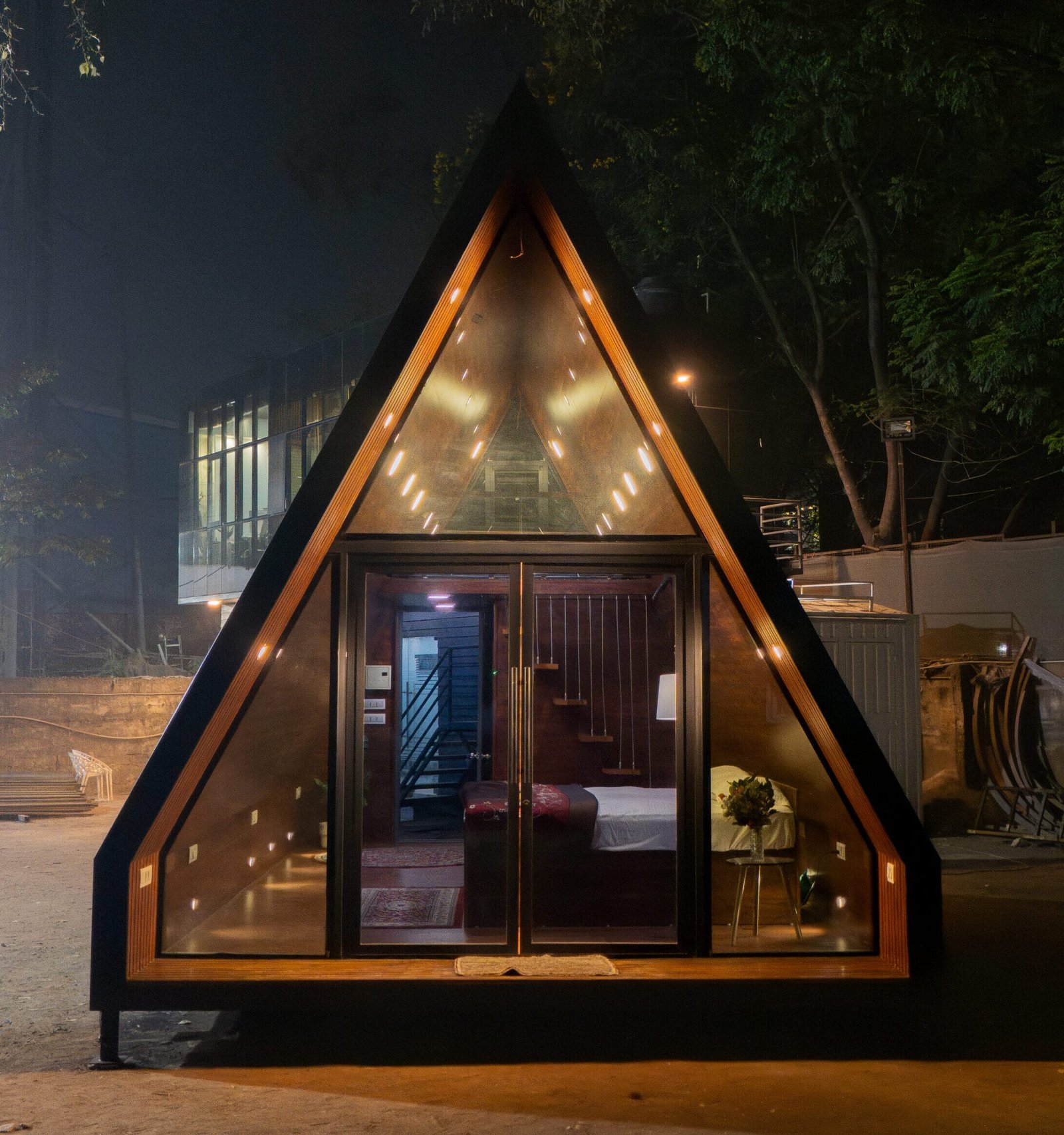
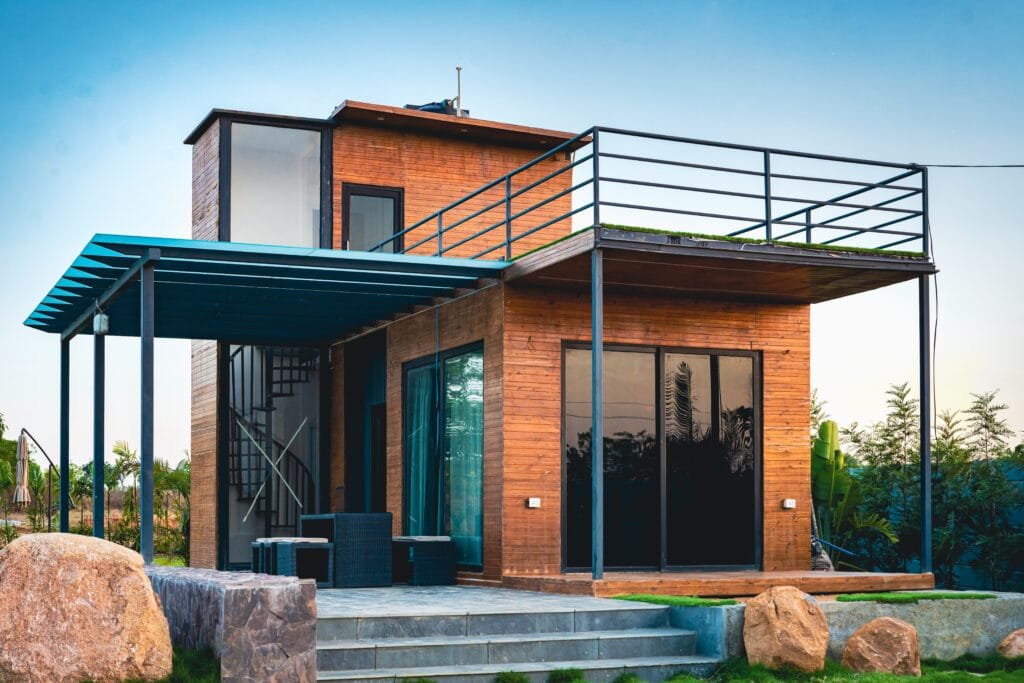
In contrast, an engineered Prefab Wooden House serves as a net carbon sink. Responsibly harvested timber sequesters atmospheric carbon within the structural frame throughout its multi-decade lifespan. When combined with off-site precision cutting that yields under 2% raw material waste, factory-built wooden homes offer institutional buyers a direct path toward achieving net-zero building certifications (LEED, BREEAM, EDGE).
2. Mitigating On-Site Labor Risks via Off-Site Industrialization
Shortages of skilled site carpenters, masons, and project managers have become a universal challenge across North America, Europe, Australia, and the Middle East. Field construction is increasingly susceptible to wage inflation, safety liabilities, and execution defects.
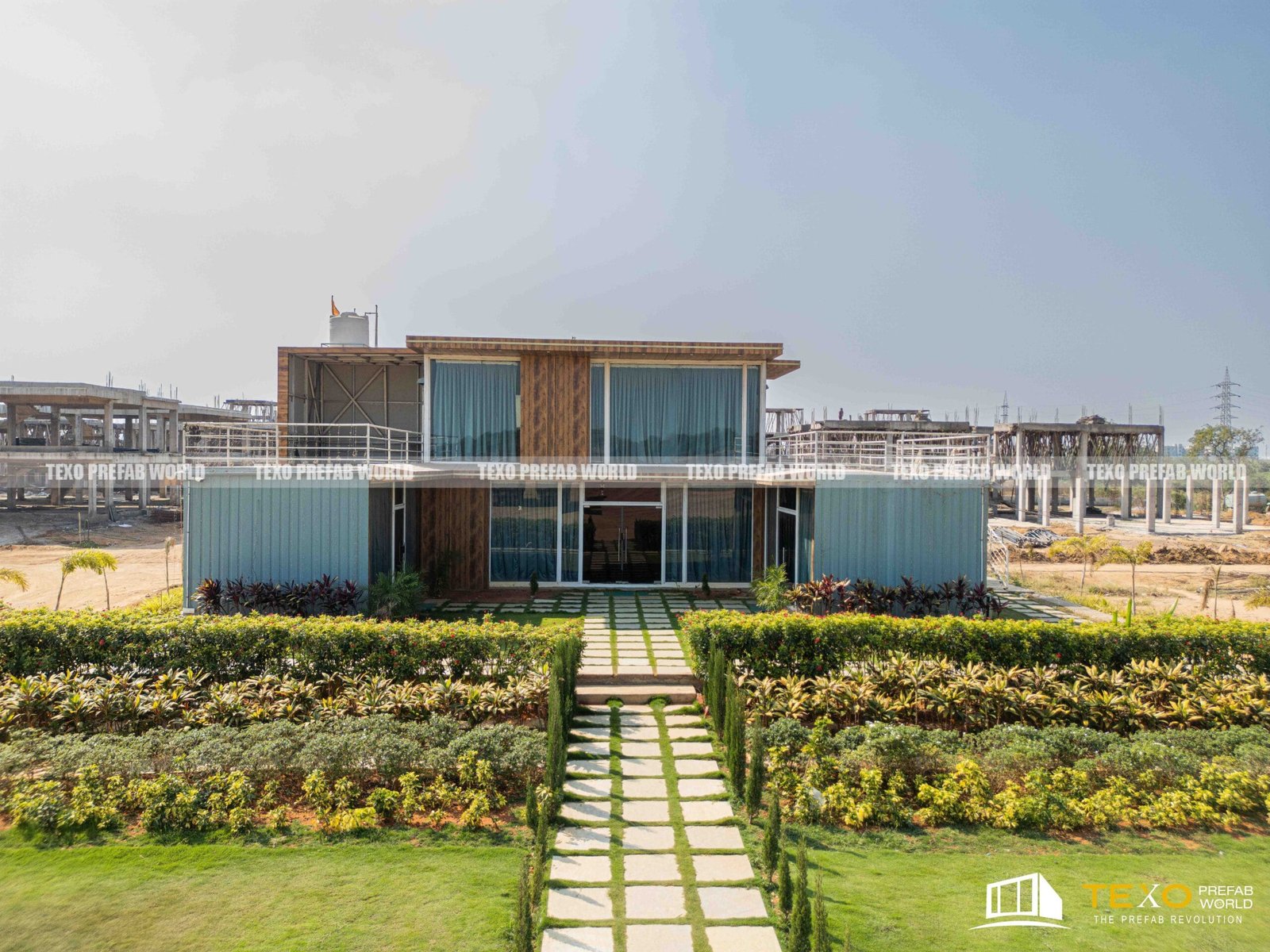
By standardizing component manufacturing at TEXO Prefab World's Jeedimetla factory, global procurement teams replace unpredictable field labor with automated factory robotics, standardized Quality Assurance (QA) protocols, and predictable production scheduling. This shift transforms construction from a chaotic site operation into a controlled manufacturing process.
3. Freight Optimization & Knock-Down (CKD) Export Logistics
A historical barrier to importing prefabricated houses was the exorbitant cost of ocean shipping volumetric air space. The future of international prefab timber sourcing lies in Completely Knocked-Down (CKD) and volumetric flat-pack modular engineering.
TEXO’s international supply chain division packages prefabricated wooden house framing, wall cassettes, pre-cut roof assemblies, and sub-flooring into standardized 40ft High Cube sea shipping containers. This maximizes shipping density, reduces ocean freight rates per square meter, and protects pre-finished interior panels during long-distance transit.