
Precision-engineered, thermal-insulated, and high-altitude weather-resistant prefabricated glamping units directly supplied from leading Chinese OEM factories to Mexico City and surrounding regions.
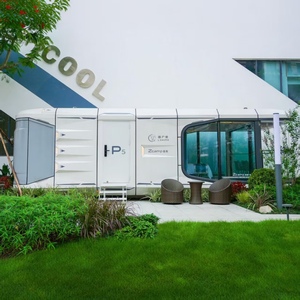
High-tech acoustic dampening space capsule designed for rural tourism, mountain eco-homestays, and high-density luxury glamping resorts.
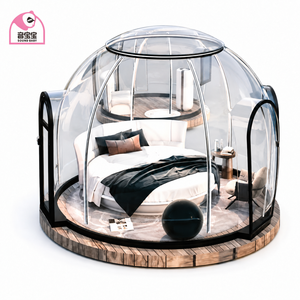
Ultra-clear UV400 polycarbonate shell delivering full panoramic views for luxury volcano-view and stargazing resorts in Valle de Bravo.
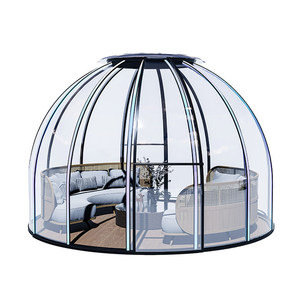
Heavy-duty modular polycarbonate geodesic bubble house engineered for extreme weather resilience and luxury glamping hospitality.
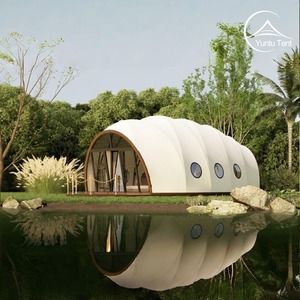
Architectural PVDF membrane structure with integrated luxury bathroom module, tailored for forested highland terrains and rainy zones.
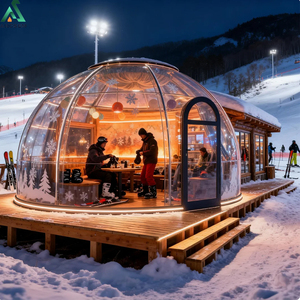
High-occupancy experiential lodging unit designed specifically for high ADR (Average Daily Rate) social media viral resorts.
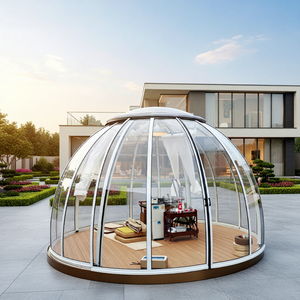
Multi-functional thermal-insulated geodesic dome house serving as both luxury VIP dining pods and year-round glamping suites.

Commercial grade eco-resort bubble accommodation designed for seamless integration with lakeside and forest topography.
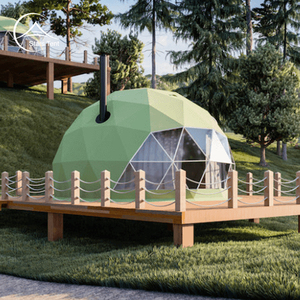
Compact 12sqm fully prefabricated geodesic pod complete with integrated bathroom module and high-density thermal insulation.
The hospitality landscape in the Metropolitan Area of Mexico City (Zona Metropolitana del Valle de México - ZMVM) and neighboring getaway destinations—such as Valle de Bravo, Tepotzotlán, Malinalco, Huasca de Ocampo, and the high-altitude forested slopes of Parque Nacional El Ajusco—is undergoing a profound structural shift. Driven by changing consumer preferences toward eco-wellness tourism, experiential travel, and off-grid luxury escapes, developers are rapidly moving away from brick-and-mortar hotel construction toward modular prefabricated glamping pods imported directly from top-tier Chinese manufacturers.
However, deploying prefabricated accommodations in the Valley of Mexico presents unique engineering and microclimatic challenges that off-the-shelf structures cannot handle. Operating at an average elevation of 2,240 meters (7,350 feet) above sea level, Greater Mexico City experiences intense UV radiation, significant diurnal temperature variations (ranging from chilly 4°C nights to 28°C sunny afternoons), seasonal torrential downpours during the summer monsoon, and stringent seismic resistance codes (Zone III clay soil dynamics). Sourcing high-gain glamping pods requires rigorous technical evaluation of thermal conductivity, structural elasticity, and supply chain viability.
Information Gain Insight: Sourcing directly from top Chinese OEM manufacturers allows Mexican developers to cut capital expenditure (CapEx) by 40% to 60% compared to local conventional construction, while shortening delivery and revenue-generation timelines from 14 months down to under 60 days from factory dispatch to site operation.
China has established an unprecedented industrial ecosystem for prefabricated modular architecture. By integrating automated CNC laser cutting, specialized robotics, aerospace-grade Bayer polycarbonate thermoforming, and pre-wired plug-and-play MEP (Mechanical, Electrical, and Plumbing) sub-assemblies, Chinese manufacturers deliver modular pods with structural precision under 1 mm. For Mexican hospitality procurement managers, importing factory-built pods ensures predictable cost control, standardized quality assurance, and compliance with international structural standards.
To withstand the rigorous environmental conditions of Central Mexico, glamping pods must adhere to strict material engineering criteria. Standard camping tents or lower-grade plastic domes degrade rapidly under Mexico City's high solar index. Sourcing managers must evaluate five core technical pillars before finalizing purchase orders:
| Engineering Component | Standard Specification | China Top-Tier OEM Grade | CDMX Local Adaptation Value |
|---|---|---|---|
| Structural Chassis | Standard Mild Steel Frame | Q235B / Q355 Hot-Dip Galvanized Steel (275g/m² Zinc Coating) | Prevents rust during humid rainy seasons in Desierto de los Leones & Ajusco. |
| Transparent Shell | Acrylic / Low-grade PVC | 100% Virgin Bayer/Sabic UV400 Co-extruded Polycarbonate (5-8mm) | Resists yellowing, high altitude UV degradation, and hail impact up to 120 km/h. |
| Thermal Core | EPS Foam (R-7) | R-25 High-Density Polyurethane / PUF Insulation + Low-E Glass | Reduces heating energy needs during cold mountain nights by up to 30%. |
| Seismic Isolation | Rigid Concrete Base | Flexible Modular Point-Foundation Steel Chassis Anchor | Absorbs seismic ground movement in Mexico City soil zones without cracking. |
| Membrane Roofing | Standard PVC 650g/m² | Heavy-Duty PVDF Architectural Membrane (900g-1100g/m²) | Self-cleaning coating, fire retardant (B1/M2), hydrophobic rain shedding. |
A primary complaint among glamping guests in high-altitude Mexican resorts is nighttime thermal loss and morning greenhouse heating. Advanced Chinese pods overcome this by employing double-glazed argon-filled Low-E glass panels combined with hollow-core polycarbonate shell geometries. Furthermore, multi-layer sound dampening acoustics keep internal noise levels under 35dB, offering guests a serene retreat even during heavy tropical thunderstorms.
Seamless international shipping and customs clearance are vital for executing hospitality projects on schedule. Purchasing prefabricated units involves navigating ocean freight from major Chinese logistics hubs—such as Shenzhen (Yantian), Ningbo-Zhoushan, or Shanghai—to Mexico's key Pacific entries (Port of Manzanillo or Port of Lázaro Cárdenas) or Gulf entries (Veracruz).
Logistics Roadmap: From Chinese factory completion, standard sea transit to Manzanillo takes approximately 18 to 25 days. Inland flatbed truck transport from Manzanillo to dry ports in Greater Mexico City (e.g., Pantaco or logistics parks in Tlalnepantla/Cuautitlán Izcalli) requires an additional 2 to 3 days.
When importing prefabricated modular buildings (HS Code 9406.90 - Prefabricated Buildings) into Mexico, B2B buyers must partner with an accredited Mexican import broker (Agente Aduanal) registered under the Padrón de Importadores. Key fiscal considerations include:
Understanding regional land-use regulations (Uso de Suelo) and geographical profiles is crucial for deploying glamping units efficiently across Greater Mexico City and surrounding weekend destinations:
High-end luxury weekend retreats. Demands premium Zcamp P5 space capsules and panoramic Polycarbonate Sky Domes that command ADRs from $250 to $500 USD per night.
High elevation, cold nights, pine forest terrains. Requires heavy-duty thermal insulation (R-25 PUF core) and reinforced galvanized steel frames to resist mountain wind and humidity.
Semi-arid valley climate with strong daytime solar radiation. Requires UV400 coated transparent bubble domes and solar reflective PVDF glamping tents for stargazing tourism.
Whether you are expanding an existing eco-resort in Valle de Bravo or developing a new glamping destination in the mountains surrounding Mexico City, our engineering team provides complete turnkey support—from customized CAD/3D architectural designs to factory-direct shipping and technical installation guidance.