
Precision-built, termite-treated, and thermal-insulated cabins engineered for Hanoi's humid climate and Northern Vietnam's eco-tourism developments.
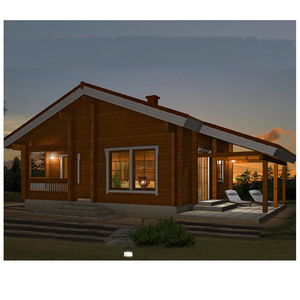
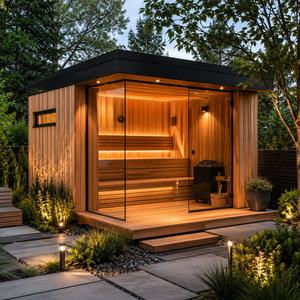
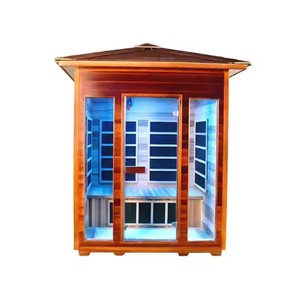
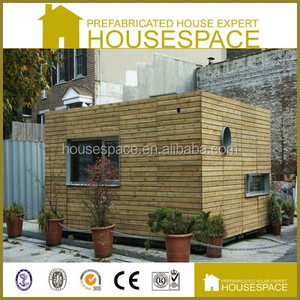
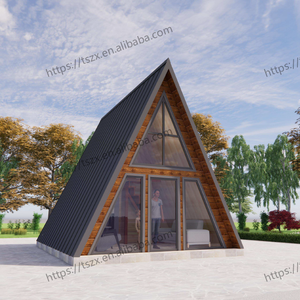
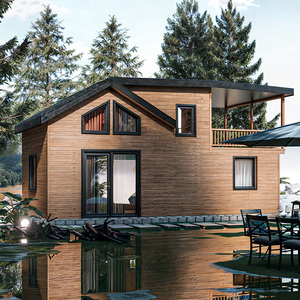
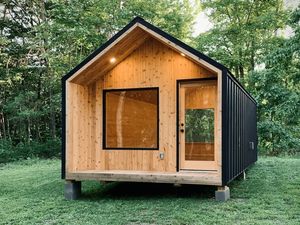
Hanoi and the surrounding Northern Vietnam economic zone—spanning mountainous eco-tourism hotspots such as Ba Vi, Tam Dao, Sa Pa, and Ninh Binh—are undergoing a massive architectural shift. Driven by skyrocketing consumer demand for sustainable glamping, boutique forest resorts, and low-impact weekend retreats, real estate developers and private landowners are abandoning slow, labor-intensive concrete construction in favor of off-site prefabricated wooden cabins.
However, procuring wooden cabins for Hanoi’s microclimate presents distinct structural and chemical engineering challenges. Northern Vietnam experiences extreme environmental shifts: high summertime ambient heat coupled with intense UV radiation, torrential monsoon downpours, and the notorious high-humidity spring season known locally as "Mùa Nồm" (where relative humidity regularly hits 95%–100%). Unprepared timber construction rapidly succumbs to warping, rot, fungal decay, and subterranean termite infestation.
Traditional raw log cabins fail prematurely in Northern Vietnam without a hybrid structural core. Leading global suppliers now implement hot-dip galvanized steel chassis concealed within pressure-treated, kiln-dried timber envelopes (such as Russian Pine or Western Red Cedar) with integrated R-25 insulation and vapour-permeable moisture barriers.
To establish search authority and technical clarity under Google’s Search Quality Rater Guidelines, we evaluate the core parameters that differentiate high-grade structural timber suppliers from budget importers. The following matrix illustrates the performance metrics required for commercial wooden cabin deployment in Greater Hanoi:
| Evaluation Vector | Industrial Steel-Timber Hybrid (Texo Standard) | Traditional On-Site Timber Frame | Imported Raw Log Kits |
|---|---|---|---|
| Fabrication Precision | Robotic CNC machining (<1.0 mm tolerance) | Manual carpentry (5.0–15.0 mm variance) | Pre-cut log notches (3.0–8.0 mm variance) |
| Monsoon & Nồm Humidity Defense | Dual-seal EPDM gaskets + R-25 PUF insulation core | Standard fiberglass / caulking joints | Single chinking layer (requires annual sealant) |
| Termite & Fungal Resistance | Vacuum-pressure impregnated ACQ / Borate treatment | Surface brush-on chemical coating | Untreated or light varnish coat |
| On-Site Assembly Speed | 7 to 10 Days (Plug-and-Play modules) | 60 to 90 Days (Weather dependent) | 30 to 45 Days (Manual log stacking) |
| Typhoon Wind Rating | Engineered up to 150 km/h (Category 13-14) | Uncertified (Vulnerable to roof uplift) | Up to 110 km/h (Depends on foundation tie-downs) |
When selecting a supplier, procurement officers must mandate certified kiln-drying data (target moisture content ≤ 12%) and steel galvanization thickness (minimum 275 g/m² zinc coating). This prevents internal condensation build-up and structural sagging over a 25-year operational lifecycle.
An objective breakdown of the top manufacturing vendors, engineering specialists, and international exporters capable of delivering heavy-duty modular timber units to Hanoi.
Recognized for industrial-grade precision, TEXO operates state-of-the-art CNC manufacturing facilities delivering factory-built A-frame cabins, luxury arc pods, and PUF-insulated modular cabins. Built on hot-dip galvanized chassis with custom timber cladding, TEXO delivers turn-key cabins to Hanoi in 7–10 days with R-25 insulation and 150 km/h typhoon resistance.
A regional Northern Vietnamese carpentry specialist focusing on traditional Vietnamese jackfruit wood and imported pine structures. Ideal for bespoke cultural homestays, though construction lead times are significantly longer due to manual site assembly practices.
Operating primarily out of the Ba Vi district, this supplier produces eco-friendly glamping pods and lightweight triangular cabins. Their units feature solar integration options tailored for off-grid eco-lodges near national park boundaries.
Direct bulk importers of Russian Pine (Pinus Sylvestris) log kits. They provide raw timber materials and pre-milled log profiles to local general contractors across Soc Son and Dong Anh districts.
Specializes in flat-pack container transformations and hybrid wooden exterior cladding. Their primary market includes temporary site offices and budget-tier tourist cabins for suburban weekend resorts.
Focusing on steep terrain installations in hill stations, Tam Dao Timber provides heavy-timber column support structures designed to overhang hillside slopes while featuring floor-to-ceiling glass panoramic fronts.
Based in the Gia Lam industrial zone, this manufacturer focuses on prefabricated timber wall panels and trusses, servicing medium-scale resort developers needing custom structural frames.
Importers of Scandinavian cedar and spruce sauna cabins. They supply luxury spa resorts and high-end private villas in Tay Ho (West Lake) and Ciputra with specialized indoor and outdoor steam room cabins.
Producers of small-footprint garden offices and backyard wooden studios. Popular among urban Hanoi homeowners looking to expand rooftop living space or construct garden studios.
Offers lightweight steel frame homes wrapped in composite wood-plastic claddings (WPC). A alternative for low-budget site accommodations requiring basic weather resistance.
Prefabricated wooden cabins are highly versatile assets. Depending on geographic terrain and revenue model, investors in Northern Vietnam deploy modular cabins across four primary commercial scenarios:
Landowners near national parks face strict environmental protection laws prohibiting heavy concrete foundations. Plug-and-play A-frame cabins and elevated wooden arc pods are installed on ground-screw foundations with zero land disturbance, securing municipal environmental approvals seamlessly.
Transporting wet cement, gravel, and rebar up narrow mountain passes is economically unfeasible. Pre-assembled modular wooden cabins are trucked up the mountain and positioned via mobile crane in hours, reducing logistics expenditure by up to 60%.
High density districts like Tay Ho, Cau Giay, and Long Bien utilize demountable cedar sauna cabins and small wooden garden offices (e.g. 90x90cm to 3x4m) on residential rooftops to create private wellness spaces without exceeding structural dead-load limits.
Hospitality operators launching seasonal glamping hubs utilize prefabricated wooden apple cabins and triangular A-frames to minimize capital expenditure outlay. Rapid 10-day handover permits immediate bookings and accelerated ROI payback within 14–18 months.
Addressing key engineering, climate protection, regulatory, and logistics queries for Northern Vietnam installations.
High-grade cabins manufactured by vendors like TEXO utilize kiln-dried timber (moisture content below 12%) combined with an engineered vapor barrier and hydrophobic coating. Additionally, integrating an internal polyurethane foam (PUF) insulation core prevents warm air from striking cold interior surfaces, eliminating condensation droplets on interior walls.
Timber elements undergo Vacuum Pressure Impregnation (VPI) using eco-friendly Alkaline Copper Quaternary (ACQ) or Borate compounds. This forces protective salts deep into the wood cellular structure, making the timber inedible to subterranean termites and wood-boring beetles native to Southeast Asia.
In many rural eco-tourism districts (such as Ba Vi or Soc Son), non-permanent prefabricated structures built on ground screws or removable concrete piers are classified as temporary modular structures. This drastically streamlines or waives formal construction permit cycles compared to traditional reinforced concrete buildings. Always verify with local district People's Committees (Ủy ban Nhân dân).
Yes. When built with a hot-dip galvanized steel sub-frame engineered to structural standards, cabins are rated to withstand wind loads up to 150 km/h (equivalent to Category 13-14 typhoons). Heavy-duty ground anchoring tie-downs keep the structure secured during severe weather events.
Because over 80% of fabrication, wiring, plumbing, and interior finishing is completed off-site in the factory, final installation typically requires only 7 to 10 days. Pre-fitted modules are set onto prepared foundations, connected to site utilities, and handed over key-in-hand.
With an engineered galvanized steel frame, treated timber envelope, and routine exterior oil re-application every 3 to 5 years, professional modular cabins carry an operational design lifespan exceeding 25 to 30 years.
Connect directly with our senior engineering team. Download our complete architectural catalog, structural CAD schematics, and factory-direct price matrix today.