
Engineered for rapid site deployment, high thermal resilience, and structural anti-seismic durability. Explore our top-tier prefabricated solutions optimized for Thailand's industrial and commercial developments.
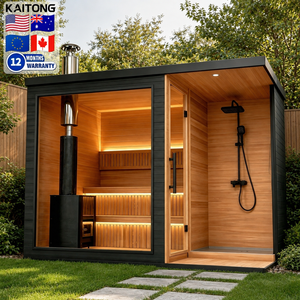
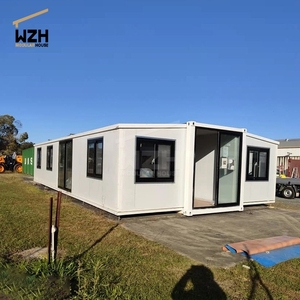
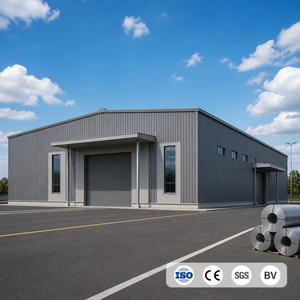
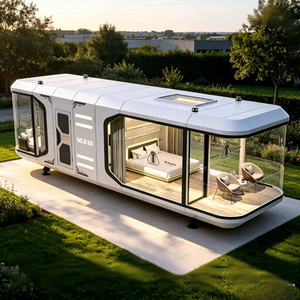
The Metropolitan Region of Bangkok (including Samut Prakan, Pathum Thani, Nonthaburi, and Chachoengsao) is currently experiencing an unprecedented transformation. Driven by major infrastructure initiatives—such as the Eastern Economic Corridor (EEC) expansion, high-speed rail corridor linkages, and heavy urban redevelopment—the influx of labor forces and site operational teams has created a massive demand for high-density, thermally efficient bunk houses and modular site accommodation.
Traditional construction site housing in Southeast Asia often relied on temporary plywood huts or single-skin corrugated zinc shelters. However, under Bangkok's extreme tropical conditions—characterized by relative humidity averaging 75-85% and peak ambient daylight temperatures exceeding 38°C—uninsulated structures lead to severe heat retention, reduced worker productivity, high HVAC energy overheads, and non-compliance with international labor health guidelines (EHS standards). Modern main contractors, EPC conglomerates, and industrial park developers in Thailand now mandate standardized, factory-built modular bunk house solutions that deliver exceptional thermal insulation, fire protection, and rapid site setup.
Over 80% of structural assembly, electrical conduit wiring, plumbing, and wall panel integration occurs inside a factory-controlled environment. Upon site delivery via Bangkok Port or Laem Chabang, modular units can be fully assembled and handed over in under 10 days, cutting civil construction delays by up to 60%.
Utilizing high-density Polyurethane (PUF) or Rockwool cores sandwiched between C3/C4 anti-corrosion galvanized steel sheets, modern bunk houses achieve thermal resistance values of R-25, reducing interior air-conditioning power consumption by up to 30% compared to basic container conversions.
A comparative breakdown tailored for procurement directors, site managers, and EPC project leaders operating in the Thai construction ecosystem.
| Evaluation Criteria | Factory Prefabricated Bunk House | Conventional Site Masonry / Zinc Huts |
|---|---|---|
| Installation Timeline | 7–10 days on-site installation for multi-unit camps | 3–5 months of weather-dependent civil work |
| Structural Integrity | Galvanized light-gauge steel frame; 150 km/h wind load | Variable; prone to storm damage during monsoon season |
| Thermal Efficiency | High-density PUF / Rockwool core (Energy consumption -30%) | High thermal transfer; extreme interior heat accumulation |
| Manufacturing Precision | Computer-controlled CNC robotic fabrication (< 1 mm tolerance) | Manual site labor; wide tolerance gaps and potential leakage |
| Relocation Flexibility | 100% reusable, flat-pack or modular plug-and-play move | Demolition required; 0% capital recovery rate |
| Service Life | 25+ Years with anti-rust galvanized coatings | 2–5 Years before structural degradation |
Different economic zones across Thailand require distinct modular configurations. Below are the primary deployment profiles where factory-built bunk houses supply mission-critical housing infrastructure.
Large-scale petro-chemical plants, automotive EV factories, and industrial automation hubs in Chonburi and Rayong require housing for thousands of engineers and construction personnel. Multi-story stackable flat-pack bunk house clusters equipped with communal dining halls, sanitized restroom pods, and HVAC control rooms provide a compliant, high-density residential footprint.
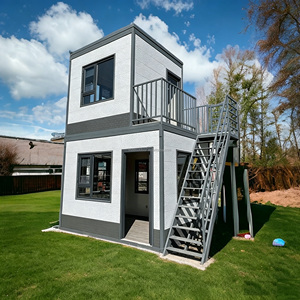
Inner-city Bangkok job sites (such as Bang Sue Grand Station extensions, Rama III expressway expansions, and CBD tower developments) face severe footprint limitations. Expandable and 20ft modular container cabins serve dual functions: stackable site administrative offices on upper tiers and dormitory bunk houses for shift workers below.
Thailand's booming eco-tourism sector demands swift expansion of staff dorms and back-of-house operational spaces. Aesthetic timber-patterned modular cabins and A-frame pods allow resort operators to house hospitality teams right on-site without disturbing eco-sensitive surroundings or engaging in noisy, months-long masonry builds.
As the logistics backbone near Suvarnabhumi Airport expands, logistics parks require quick-deploy specialized enclosures—such as PUF-insulated security guard rooms, driver breakrooms, and automated climate-controlled dispatch offices built to withstand high coastal humidity.
Understanding future-proof technology adoption in Southeast Asian modular manufacturing.
1. Solar-Ready Roofing and Passive Ventilation: With Thailand aiming for carbon neutrality, modern bunk house factories are integrating roof truss designs tailored for light-weight solar panel mounting. Coupled with passive ventilation louvers and reflective thermal barrier paints, units maintain lower ambient internal temperatures even during peak tropical sun exposure.
2. Fire-Retardant Wall Materials (Class A Standards): Due to stringent municipal regulations in Greater Bangkok, fire safety in high-density worker camps is paramount. Leading exporters have replaced flammable EPS (expanded polystyrene) foam with non-combustible Rockwool or modified PU/PIR (Polyisocyanurate) sandwich panels, meeting international fire containment specifications.
3. Modular Hygiene & Water Treatment Integration: Standardized bunk houses are no longer isolated sleeping shells. Exporters now supply integrated greywater filtration units, heavy-duty anti-slip fiber-reinforced polymer (FRP) shower modules, and high-volume septic connectivity, ensuring compliance with Thai Pollution Control Department standards.
Delivering precision-engineered modular buildings manufactured under strict ISO quality controls, backed by over 900+ successfully completed installations across 50+ global cities.
Sub-millimeter (<1mm) fabrication tolerances guarantee seamless frame interlock, preventing tropical rain ingress and air leakages.
Heavy-duty structural steel treated with anti-corrosion zinc coating to survive Thailand's humid monsoon and coastal salt-air environments.
Electrical conduits, sanitaryware, windows, and doors are pre-installed at the factory, minimizing site labor cost and logistics management.
Expandable, stackable, and reconfigurable designs that allow camps to grow or be relocated to new job sites within 7 to 10 days.
Engineered wall panels providing R-25 insulation rating, lowering operational cooling bills and ensuring comfortable worker rest conditions.
Custom flat-pack bundling designed to maximize 40ft HQ container loading space, drastically reducing international sea freight costs to Bangkok Port.
Direct answers to technical, freight, and installation queries raised by Thai contractors and international project buyers.
Connect directly with our engineering and export team. Get customized floor plan CAD designs, structural load calculations, and competitive FOB/CIF price quotes for your project.
Send an Inquiry