
Explore our heavy-duty, thermally insulated modular control cabins and turnkey site structures engineered for tropical weather resilience and export-grade reliability.
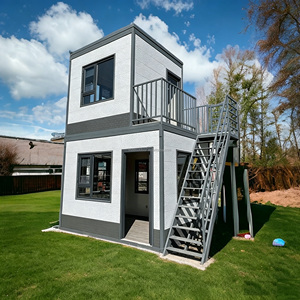
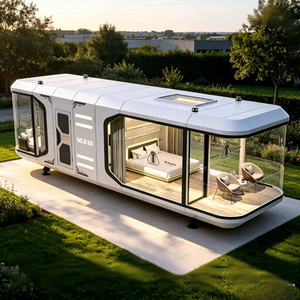
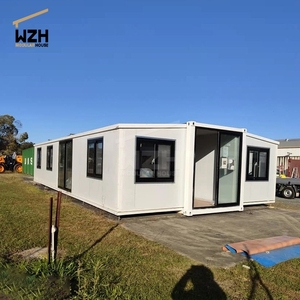
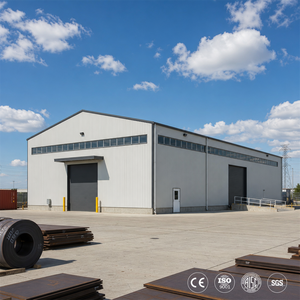
As Peninsular Malaysia accelerates its clean energy transition under the National Energy Transition Roadmap (NETR) and Large Scale Solar (LSS5) frameworks, the operational reliability of utility-scale PV plants in locations such as Sepang, Selangor, and the Greater Kuala Lumpur area hinges on robust control infrastructure. Solar control room cabins act as the nerve center for photovoltaic installations, housing sensitive SCADA (Supervisory Control and Data Acquisition) servers, central inverter switchgears, solar tracking controllers, and high-voltage grid protection relays.
Operating a solar control room in Kuala Lumpur’s equatorial climate presents unique microclimatic challenges. With average year-round relative humidity fluctuating between 78% and 88% and peak ambient temperatures reaching 35°C (inducing internal solar equipment thermal gain exceeding 50°C), uninsulated or improperly sealed container structures suffer from condensation, electrical short-circuiting, and accelerated corrosion. Our specialized Polyurethane Foam (PUF) insulated control room cabins are specifically engineered to provide an impermeable, thermally isolated, and climate-controlled envelope that ensures uninterrupted grid synchronization with Tenaga Nasional Berhad (TNB) standards.
PUF insulation density of 40±2 kg/m³ with thermal conductivity λ ≤ 0.022 W/m·K minimizes internal HVAC cooling loads by up to 35%.
Dual-stage overlapping panel joints with silicone weather-sealing protect electrical hardware against intense tropical rainstorm ingress (IP65).
Hot-dip galvanized structural frames conforming to ISO 1461 with 120g/m² zinc coating withstand coastal humidity and industrial smog.
Precision engineering is at the core of our manufacturing process. Unlike conventional site-built brick substations that require 4 to 6 months of messy wet construction in Klang Valley’s unpredictable weather, our factory-manufactured modular control cabins are delivered 85% pre-fitted and ready for immediate deployment on prepared concrete pedestals.
The structural skeleton of each cabin utilizes cold-formed, heavy-duty galvanized steel channel sections (ASTM A36 / EN 10025-2 S275JR). The floor sub-base is reinforced to handle heavy concentrated loads from internal power transformers, UPS battery racks, and rack-mounted SCADA cabinets, supporting structural load ratings up to 500 kg/m² to 1500 kg/m² based on project requirements.
The wall and roof envelopes feature high-density Polyurethane Foam (PUF) core sandwich panels enclosed between pre-painted galvanized steel (PPGI) sheets (0.5mm to 0.6mm thickness). The tongue-and-groove jointing mechanism ensures zero thermal bridging, preventing cold air leakage and internal vapor condensation when running precision precision-cooling HVAC units (CRAC) 24/7 in high-ambient tropical environments.
Furthermore, all panel materials conform to stringent fire safety requirements, exhibiting self-extinguishing properties certified under BS 476 Part 7 Class 1 and DIN 4102 B2 standards, satisfying Jabatan Bomba dan Penyelamat Malaysia (BOMBA) fire compliance guidelines for unmanned renewable energy sites.
Bottom and side penetration plates are pre-machined using CNC lasers to accommodate heavy-duty aluminum cable glands and transit frames (such as Roxtec multi-cable transits). This guarantees an IP65 air-tight seal that blocks humidity, rain wash-up, dust, and tropical insects from corrupting sensitive optical fiber links and copper busbars.
For EPC contractors, project managers, and clean energy developers evaluated under CIDB Malaysia standards, the table below highlights the quantifiable operational advantages of deploying factory-engineered PUF solar control cabins over traditional civil brick-and-mortar builds.
| Evaluation Parameter | Factory Prefab PUF Control Cabin | On-Site Brick & Concrete Substation |
|---|---|---|
| On-Site Installation Timeline | 7 to 10 Days (Plug & Play Integration) | 120 to 180 Days (Weather Dependent) |
| Thermal Conductivity (λ) | 0.022 W/m·K (High Thermal Efficiency) | 0.70 to 1.30 W/m·K (Poor Insulation) |
| HVAC Energy Consumption | Reduced by up to 30%–35% | High baseline thermal gain requires larger HVAC |
| Dimensional Tolerance | CNC Precision (< 1.0 mm tolerance) | Manual site variance (10 mm to 25 mm) |
| Relocation & Scalability | 100% Relocatable / Expandable Modules | Permanent Structure (Demolition required) |
| Condensation Risk | Zero (Hermetically Sealed Vapor Barrier) | High (Porous masonry traps moisture) |
| Foundation Requirements | Lightweight concrete pads / Pier footing | Heavy deep strip foundations |
| Civil Noise & Site Disruption | Minimal (Silent assembly on-site) | High noise, dust, and continuous material transit |
Recognizing that solar PV projects across Kuala Lumpur, Selangor, and neighboring states range from commercial rooftop installations (NEM 3.0) to multi-megawatt ground-mounted utility farms (LSS), we supply four customized modular cabin configurations:
Designed to house high-capacity solar string or central inverters along with DC distribution boards. Includes custom cutout louvers with washable dust filters and heavy-duty forced extraction fans to evacuate heat generated by inverter power electronics during peak solar radiation hours (11:00 AM to 3:00 PM local time).
Dedicated low-noise, dust-free shelters for sensitive network servers, fiber-optic patch panels, uninterrupted power supplies (UPS), and operator workstations. Featuring raised access anti-static flooring (600x600mm heavy-duty steel panels) to allow clean under-floor cable routing.
Specially reinforced shelters configured with integrated thermal management, FM-200 / Novec 1230 clean agent automatic fire suppression mounting plates, and hydrogen gas detection sensors to safely house Lithium-ion (LFP) battery racks.
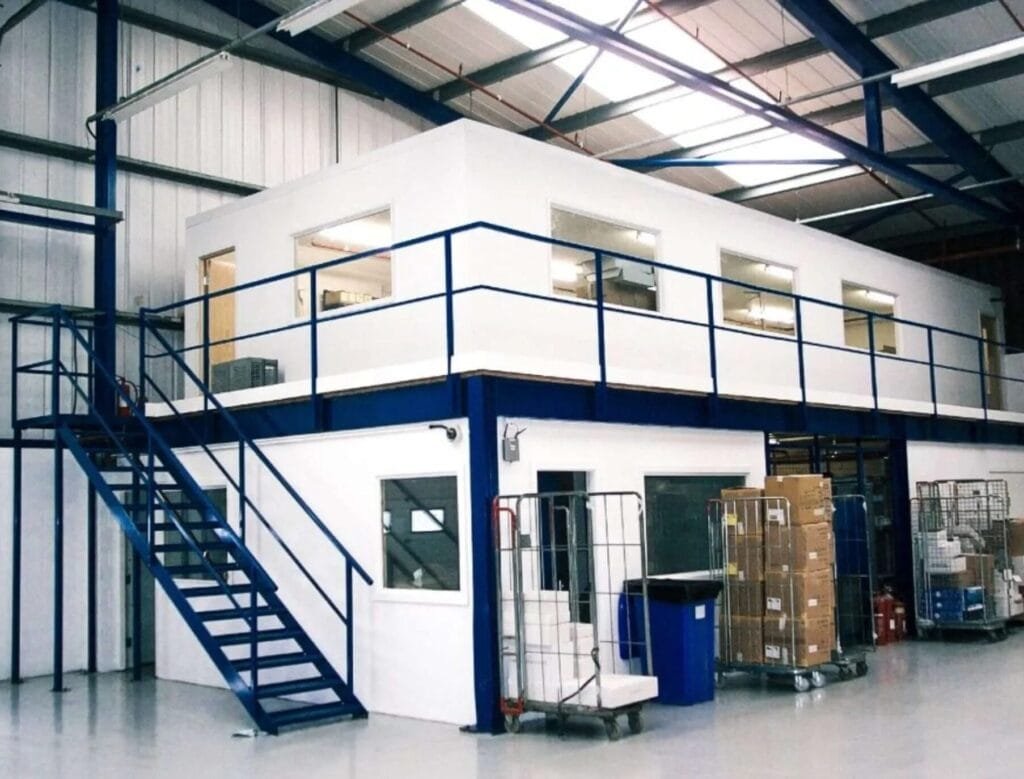
Hybrid dual-room modules combining security personnel office space with a partitioned solar control room, offering an economical solution for medium-scale industrial rooftop PV projects across Shah Alam, Puchong, and Sepang.
As an established manufacturer and exporter catering directly to Kuala Lumpur and the broader Southeast Asian market, our factory operates under rigid quality control management systems, adhering to ISO 9001:2015 (Quality), ISO 14001:2015 (Environmental Management), and ISO 45001:2018 (Occupational Health & Safety).
Every steel beam, wall panel, and roof truss is cut, punched, and shaped using automated CNC fiber lasers and robotic welding cells. This eliminates assembly friction on-site and guarantees that all pre-drilled bolt holes align perfectly during field erection in Malaysia.
We optimize our cabin designs for flat-pack SOC (Shipper Owned Container) or standard 40ft HQ containerized shipping directly to **Port Klang (Northport / Westport)**. Cabins can be shipped completely pre-assembled for plug-and-play crane unloading or in flat-pack kit formats for sites with narrow road access across the Klang Valley region.
Our prefabricated control room cabins are designed to adapt seamlessly across diverse urban and industrial landscapes within Peninsular Malaysia:
Ground-mounted installations demanding robust protection against severe monsoon weather, ground moisture, and lightning surges.
Lightweight modular cabins placed directly on factory roof decks or elevated steel platforms where structural weight load is restricted.
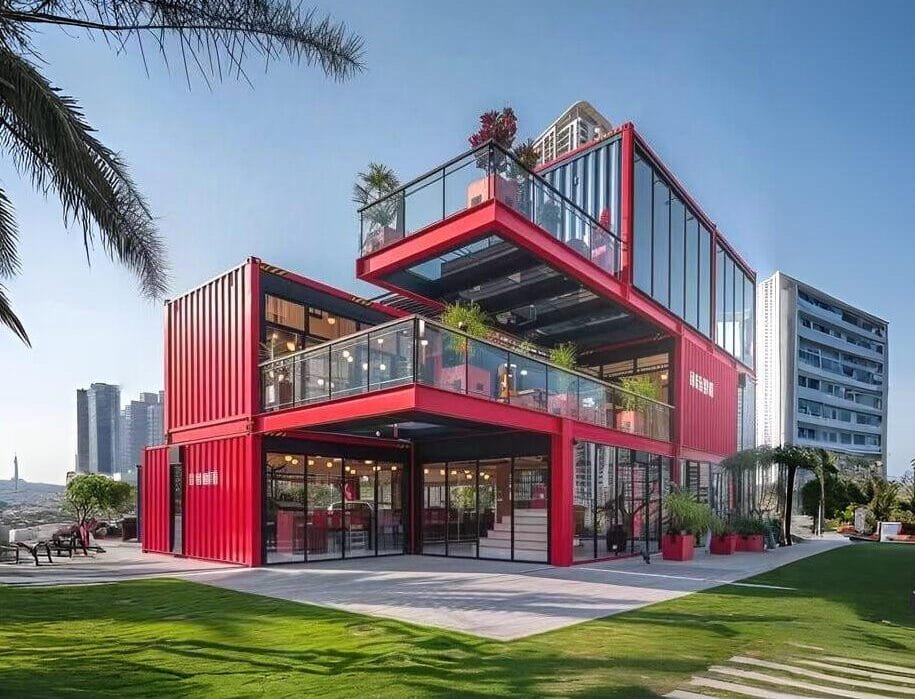
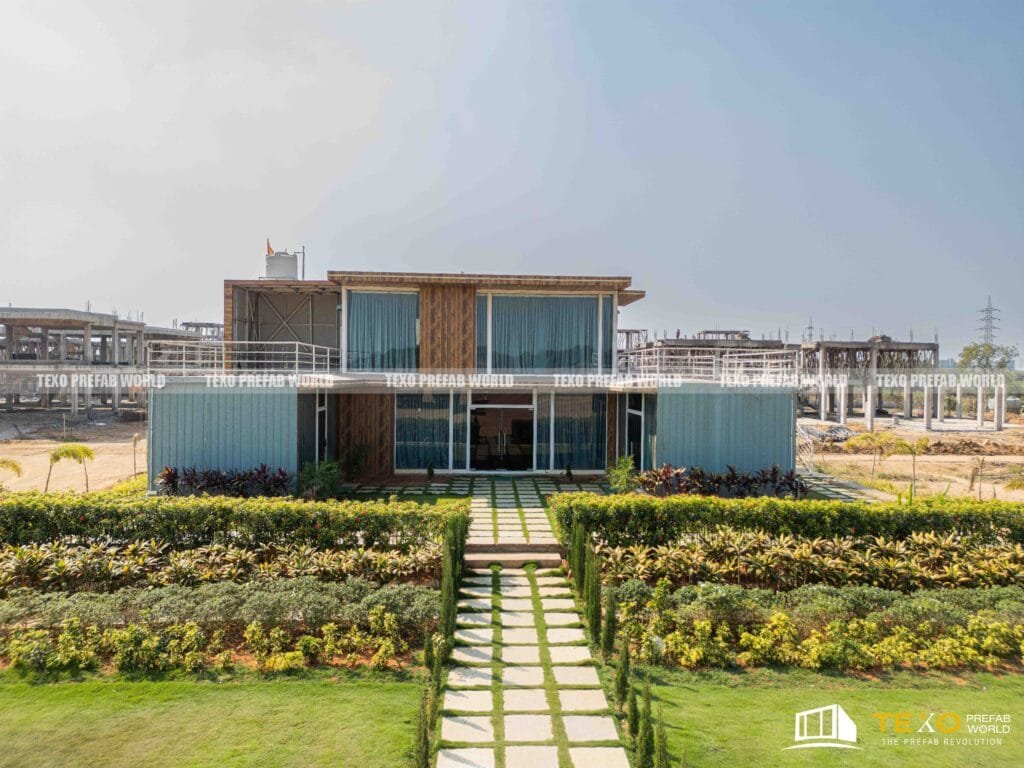
Aesthetically pleasing exterior cladding options (wood-grain, architectural metallic panels) that comply with municipal urban planning standards.
Here are expert engineering answers to common technical queries raised by Malaysian EPC contractors, solar project developers, and facility managers.
Yes. Our cabins are engineered specifically for equatorial tropical zones. They feature IP65 moisture sealing, UV-resistant exterior PPGI sheet coatings, and high-density R-25 PUF insulation designed to withstand continuous ambient temperatures up to 45°C and relative humidity levels exceeding 90% without rusting or sweating.
Standard custom cabins are manufactured within 14 to 21 days from shop drawing approval. Containerized sea transit to Port Klang generally takes 7 to 12 days depending on vessel scheduling, enabling total project turnaround in under 5 weeks.
All structural frame calculations are verified for wind speeds up to 150 km/h (42 m/s), exceeding typical gust velocity recordings during Peninsular Malaysia’s Northeast and Southwest monsoon seasons.
We supply pre-machined bottom gland plates fitted with multi-cable transits (Roxtec compatible) or IP68 synthetic cable glands. Under-floor cable trenches or raised anti-static flooring can also be integrated into the cabin design.
Our Polyurethane Foam panels are formulated with fire-retardant additives complying with BS 476 Part 7 Class 1 and DIN 4102 B2 (self-extinguishing). Rockwool core insulated panels (Class A non-combustible) are also available upon request for high-risk BESS installations.
Yes, we offer complete turnkey pre-fitout services. We can pre-wire industrial split-system inverter air conditioners, emergency backup lighting, fire detection systems, and server racks prior to container loading.
Prefab control cabins require only basic concrete strip footings or raised corner concrete pedestals. Our engineering team provides detailed foundation load reaction drawings immediately after layout freeze.
With hot-dip galvanized structural frames and high-grade pre-painted galvanized steel (PPGI) skins, our cabins carry an engineered operational lifespan of over 25 years under standard maintenance schedules.
Partner with an industry-leading modular control room cabin manufacturer. Contact our senior engineering team to receive customized CAD layouts, thermal load calculations, and competitive export price quotes.