Modular Building Factories & Exporters in the Bangladesh Market

Engineering Climate-Resilient, Rapid-Deploy Off-Site Infrastructure, Prefabricated Commercial Hubs & Industrial Cabins Across Dhaka, Chittagong, and Special Economic Zones.

Export-Grade Modular Catalogue

Featured Prefabricated Solutions for the Bangladesh Market

Discover engineered modular structures manufactured under strict ISO quality controls, designed for high humidity, monsoon endurance, and rapid on-site assembly across Bangladesh’s expanding industrial zones.

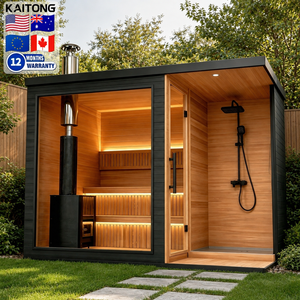
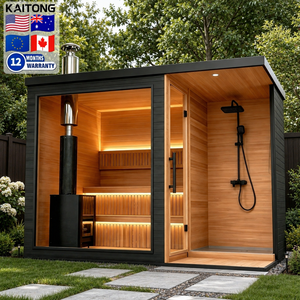
Kaitong Modern Red Cedar Wood Sauna Room

Kaitong Modern Red Cedar Wood Finland Fired Combinaison Home Sauna Room With Shower

Premium thermo-treated red cedar wood pod equipped with integrated hot-rock heating and shower space. Ideal for luxury resort developments in Cox's Bazar and Sylhet eco-lodges.

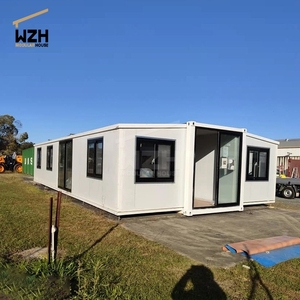
40Ft Luxury Expandable Container House

40Ft Luxury Expandable Container House 72 Sqm Mobile Home with Kitchen & Toilet

72 sqm expandable living suite with factory pre-installed plumbing, electrical wiring, kitchen, and bathroom. Quick 2-hour unfold time for EPZ executive quarters and site offices.

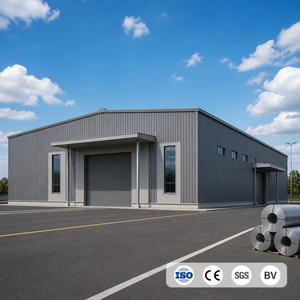
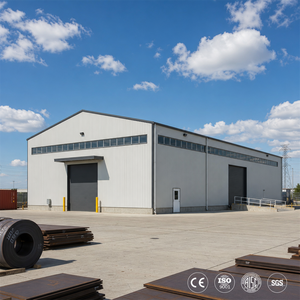
Steel Frame Modular Anti-Seismic Warehouse

Steel Frame Modular Anti-Seismic Steel Structure Warehouse For Equipment Storage

Engineered Q355B heavy gauge steel frame warehouse structure optimized for seismic Zone 2/3 compliance, high wind loads, and heavy logistics storage in Mirsarai & Gazipur EPZs.

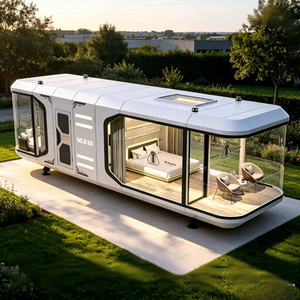
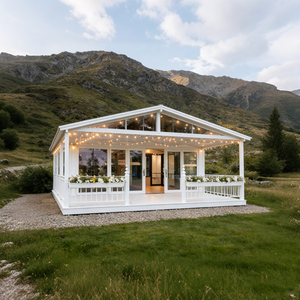
High Quality Prefab Capsule Container House

High Quality Prefab Capsule Container House Space Capsule Cabin for Outdoor Living

Futuristic galvanised steel space capsule cabin featuring panoramic glass facade, thermal insulation, and smart home controls. Designed for eco-tourism resorts and luxury glamping.

Modern Custom Red Cedar Outdoor Sauna Room

Modern Custom Cabin Traditional Red Cedar Outdoor Wood Fire Burning Sauna Room

Heavy-duty outdoor sauna cabin built with natural insect-resistant cedar wood planks and wood-burning stove integration, suitable for wellness retreats and high-end coastal resorts.

Prefabricated Mobile Folding Modular Tiny Home

Prefabricated Mobile House 20ft 30ft 40ft Folding Modular Tiny Home 2-3 Bedrooms

Rapid-fold modular residential unit configurable for multi-bedroom worker accommodation, site engineer offices, or disaster response hubs along coastal flood basins.

Modular Gable Roof Steel Structure Factory Building

Prefab Modular Gable Roof Steel Structure Factory Warehouse Building For Workshop

Turnkey industrial portal frame steel structure building with clear-span layout, insulated sandwich roof panels, and integrated crane runway beams for manufacturing plants.

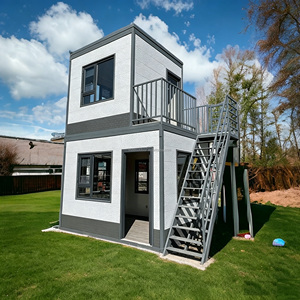
20ft Modular Flat Pack Prefab Container Home

20ft Modular Flat Pack Prefab Container Home Mobile House for Living Office & Hotel

Stackable ISO flat pack modular container unit with PUF insulation core. 4 units load per 40ft HQ container for cost-effective shipping to Chittagong Port.

900+
Global Projects Delivered
< 1mm
CNC Cut Accuracy Tolerance
150 km/h
Cyclone Wind Resistance
80%+
Off-Site Factory Completion
Industry Whitepaper & Market Intelligence

Navigating Bangladesh's Off-Site Modular Construction Revolution

An in-depth analysis of structural engineering standards, environmental mandates, procurement logistics, and climate-adaptive modular design for Bangladeshi infrastructure developers and enterprise buyers.

1. The Macro Economic Shift: Why Bangladesh is Embracing Prefabrication

Bangladesh is experiencing one of the fastest economic transformations in South Asia. Driven by massive public investments in mega-infrastructure—such as the Bangabandhu Sheikh Mujib Shilpa Nagar (BSMSN) in Mirsarai, Matarbari Deep Sea Port, Dhaka Metro Rail, and expanding Export Processing Zones (EPZs) across Gazipur, Savar, and Chittagong—the nation's demand for rapid, durable structural solutions has reached an all-time high.

Traditional construction in Bangladesh has historically relied heavily on burnt-clay bricks and wet-cast concrete. However, this approach presents critical bottlenecks for modern industrial timelines:

  • Environmental Restrictions: The Bangladeshi government has instituted strict environmental guidelines to phases out traditional topsoil-consuming brick kilns to curb air pollution and preserve agricultural land.
  • Lengthy Project Lifecycles: On-site concrete curing in Bangladesh's monsoon-heavy climate adds months of project delays, inflating financing costs and delaying commercial revenue generation.
  • Seismic Vulnerability: Bangladesh lies in an active seismic belt (divided into Zones 1, 2, and 3 under the Bangladesh National Building Code - BNBC 2020). Poorly reinforced masonry buildings pose severe structural risks during tectonic events.

Consequently, global modular building exporters and specialized prefabrication manufacturers have become essential partners for project developers, Ready-Made Garment (RMG) factory owners, power plant contractors, and resort operators throughout Dhaka, Chittagong, Sylhet, and Khulna.

2. Tailored Application Scenarios Across Bangladesh's Key Economic Sectors

Off-site manufactured modular buildings are engineered to fulfill diverse operational roles across Bangladesh’s unique geographic and economic sectors:

RMG EPZ Compliance & Site Offices

Fast-track modular administrative blocks, ACCORD/ALLIANCE compliant fire-safe office suites, and worker dormitories deployed within 7 to 10 days in Savar, Gazipur, and Narayanganj textile parks.

Energy & Infrastructure Camps

PUF-insulated solar control rooms, electrical substation cabins, and contractor living camps engineered for extreme humidity, dust, and continuous thermal regulation in Matarbari & Rooppur site zones.

Eco-Tourism & Hospitality Pods

Architectural A-frame wooden cabins, panoramic space capsules, and wellness sauna pods designed for high aesthetic appeal and zero land-disruption in Cox's Bazar beaches, Sylhet tea estates, and Sajek Valley.

3. Climate-Resilient Engineering: Defeating Humidity, Monsoons & Salinity

Deploying prefabricated modular buildings in Bangladesh requires rigorous material customization due to the sub-tropical climate. Bangladesh experiences relative humidity levels exceeding 85% during monsoon months (May to September), heavy rainfall averaging 2,000 mm to 5,700 mm annually, and intense saline air along the coastal belt of Chittagong and Mongla.

To deliver a service life exceeding 25 years under these harsh environmental conditions, premium factory-built modular structures utilize multi-layered engineering protocols:

  • Hot-Dip Galvanized Structural Steel (HDG): Cold-formed C-channels and hollow structural sections are treated with a zinc coating of at least 180g/m² to prevent oxidative rusting caused by salt spray and moisture penetration.
  • Polyurethane Foam (PUF) Core Sandwich Panels: Walls and roofing incorporate high-density PUF insulation (40 kg/m³ density) offering R-25 thermal resistance. This drastically cuts indoor heat transfer from peak summer temperatures (38°C–42°C), reducing HVAC electricity consumption by up to 30%.
  • Double-Sealed EPDM Gaskets & Integrated Drainage: Roof systems feature hidden internal gutters and high-grade EPDM weather stripping to eliminate water seepage during torrential monsoon downpours and tropical depressions.
Enterprise Advantage & Technical Benchmark

Why International EPC Contractors Choose Factory Off-Site Prefabrication

By shifting over 80% of construction tasks from open-air job sites into automated manufacturing plants, our modular systems achieve unprecedented precision, speed, and cost predictability.

Factory Precision Engineering

Utilizing automated CNC laser cutting, cold-roll profiling, and robotic welding, every module component is produced with sub-1 millimeter dimensional tolerances. This eliminates human error, ensuring smooth plug-and-play assembly upon arrival at Bangladeshi sites without needing field modification or re-welding.

7 to 10 Day Rapid Site Handover

Because frames, wall panels, electrical conduits, floor sub-bases, and sanitary fixtures are pre-installed in the factory, on-site assembly requires only simple crane placement and bolt connection. A multi-story site office or resort pod cluster can be fully commissioned within 7–10 days.

Evaluation Parameter Factory-Engineered Modular Solution Traditional Bangladesh Brick / Civil Build
On-Site Assembly Time 7 – 10 Days (Plug & Play) 4 – 9 Months (Continuous wet trades)
Fabrication Precision Sub-1mm CNC Tolerance Varies significantly based on local labor skill
Off-Site Work Ratio Over 80% Pre-assembled 0% (100% exposed to weather disruptions)
Thermal Insulation R-25 PUF Panels (30% energy reduction) Uninsulated solid brick (High HVAC power costs)
Wind & Seismic Rating 150 km/h Wind & Zone 3 Seismic Prone to structural cracking under vibration
Flexibility & Relocation Demountable & Relocatable Permanent structure (Demolition required)
Trends & Regulatory Standards

Emerging Development Trends in the Bangladeshi Market

Understanding the regulatory, environmental, and architectural trajectory shaping prefab procurement in South Asia.

LEED Green Building Integration

Bangladesh boasts the highest number of LEED-certified garment factories in the world. Modular building designs actively support USGBC LEED credentials by drastically cutting construction material waste, utilizing recyclable steel structures, and maintaining low-VOC interior finishes.

BNBC 2020 Compliance Mandates

The updated Bangladesh National Building Code places strict emphasis on fire protection, structural stability, and egress design. Exported modular units comply with international ASTM, ISO 9001, and BNBC structural load frameworks to streamline municipal drawing approval.

Plug-and-Play Mobility for EPZs

As land leases in Economic Zones evolve, industrial operators favor modular flat pack and container offices that can be dismantled, packed into 40ft HQ shipping containers, and relocated to new manufacturing plots without capital loss.

Frequently Asked Questions

Procurement & Technical FAQ for Bangladeshi Buyers

Addressing critical questions regarding customs clearance, shipping logistics to Chittagong Port, structural foundation requirements, and local installation support.

1. How are prefabricated modular buildings shipped and cleared at Chittagong Port?

Modular building components are packaged into flat-packs or pre-assembled modules designed to fit standard 40ft High Cube (HQ) or Open Top shipping containers. Cargo is exported under HS Codes such as 9406.90 (Prefabricated Buildings). Our experienced export team provides complete packing lists, commercial invoices, certificates of origin, and structural layout drawings to assist your local C&F agent in Chittagong or ICD Kamalapur (Dhaka) for swift customs processing.

2. Can these modular buildings withstand Bangladesh’s intense monsoons and coastal cyclones?

Yes. Every unit is engineered for heavy wind loads up to 150 km/h, matching coastal cyclone safety criteria in regions like Chittagong, Cox's Bazar, and Khulna. Roof systems feature anti-corrosive galvanized steel sheeting, concealed rain gutters, and double-sealed EPDM weather seals designed to handle tropical downpours without water penetration.

3. What site foundation preparation is needed before the modular units arrive?

Because modular buildings are lightweight compared to heavy concrete structures, foundation demands are significantly reduced. In soft alluvial soils common in Bangladesh, clients typically prepare a flat concrete slab (100mm–150mm thickness) or simple concrete strip pedestals. Complete foundation anchor drawings are provided during the factory fabrication phase so site prep can occur concurrently.

4. What is the typical lead time from contract signing to delivery in Dhaka or Chittagong?

Standard factory fabrication takes between 15 to 25 days depending on total project order volume. Ocean freight from primary export ports to Chittagong Port typically takes 10 to 14 days. Combined with a 7–10 day site commissioning timeframe, your facility can be fully operational in under 45 days.

5. Are PUF insulated panel walls fire-rated according to safety standards?

Yes. Our PUF core panels utilize fire-retardant B1/B2 grade additives or rockwool/glasswool cores where strict B-Class or A-Class fire endurance is mandated. This meets international industrial safety requirements for Ready-Made Garment (RMG) factory site offices and chemical/electrical control rooms.

6. Can modular structures be expanded or relocated to new project sites later?

Absolutely. The modular interlocking steel frame system is specifically designed for multi-cycle deployment. Units can be unbolted, stacked, and transported to a new job site or expanded horizontally and vertically (up to G+2 floors) by adding supplementary standard modules.

Ready to Build Faster & Smarter in Bangladesh?

Connect with our structural engineering and export team today to receive customized floor plans, structural technical datasheets, pricing quotes, and shipping feasibility reports for your Bangladesh project site.