
As the Greater Boston metropolitan area continues to undergo aggressive urbanization—driven by mega-developments along the South Boston Waterfront (Seaport District), life science expansions in Kendall Square (Cambridge), and infrastructure overhauls along the Route 128 Technology Corridor—commercial general contractors, municipal planners, and project developers face unprecedented logistical hurdles. High labor costs (ranging between $85 to $140 per hour for skilled trades), congested urban access zones, and stringent state building energy mandates require construction managers to seek off-site modular solutions that streamline site overhead without sacrificing structural longevity.
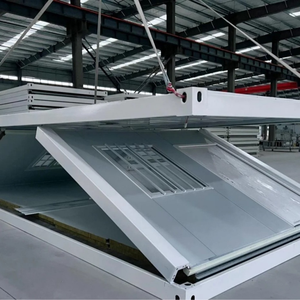
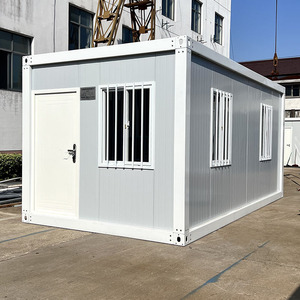
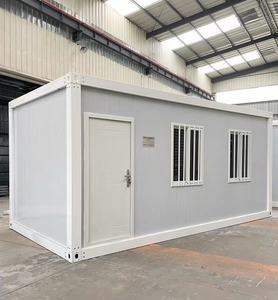
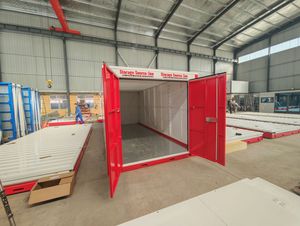
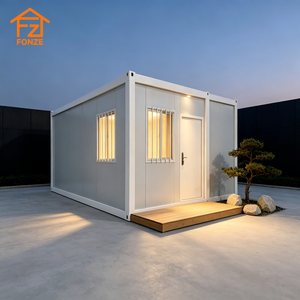
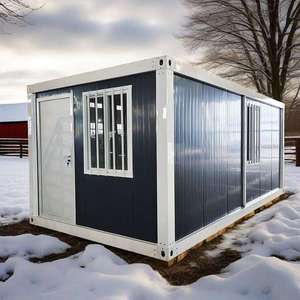
Flatpack modular container systems represent a generational leap over conventional stick-built temporary offices and rigid ISO shipping container conversions. By shipping un-assembled structural frames and pre-insulated wall assemblies in flat bundles—reducing ocean freight bulk by up to 75%—suppliers can deliver premium European/Asian-manufactured modular buildings directly to the Port of Boston (Conley Terminal) or regional logistics hubs at a fraction of the cost of domestic prefabrication.
Building in Eastern Massachusetts demands adherence to strict structural and thermal performance criteria. Under the Massachusetts State Building Code (780 CMR) and the updated Energy Stretch Code (IECC 2021 guidelines), temporary and semi-permanent structures must maintain continuous insulation to withstand sub-zero freeze-thaw winter cycles, severe coastal Nor’easters, and summer humidity spikes.
Robotic welding and automated laser-cutting achieve structural tolerances under <1mm. This eliminates site alignment errors and ensures 100% weather-tight joints during high-wind rainstorms.
Engineered with heavy-duty ISO container corner castings, flatpack units can be safely stacked up to 3 stories high without external structural shoring, maximizing tight city jobsite footprints.
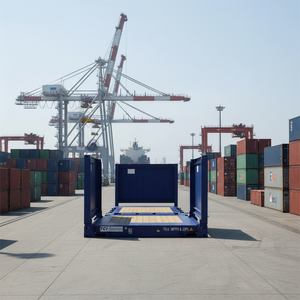
Four standard flatpack containers pack down into the exact dimensions of a single 20ft ISO shipping container (Bundled SOC - Shipper Owned Container), drastically slashing ocean transport tariffs.
Constructed with non-combustible MGO floorboards and rockwool wall insulation panels, our structures comply with strict Boston Fire Department (BFD) temporary site shelter safety standards.
Pre-installed conduit raceways, UL-listed electrical distribution boxes, LED panel lighting, and PEX plumbing manifolds reduce mechanical, electrical, and plumbing (MEP) site labor by over 80%.
100% reusable and fully demountable. Units can be disassembled, re-bundled, and relocated across multiple projects with zero waste generation, supporting LEED green building points.
When procuring space solutions for projects in Massachusetts, general contractors must weigh upfront acquisition cost, transport overhead, installation speed, and thermal efficiency. The matrix below outlines how our advanced Flatpack Modular System compares against conventional methods.
| Performance / Spec Metric | TEXO Flatpack Containers | Traditional On-Site Build | Rigid Used ISO Containers |
|---|---|---|---|
| Ocean Freight Volume | 1/4 of ISO Container (Bundled) | N/A (Raw Materials) | Full 1:1 Shipping Slot |
| On-Site Setup Time | 7 - 10 Days (2 Crews) | 3 to 6 Months | 2 to 4 Weeks (Modification) |
| Thermal Insulation (R-Value) | R-22 to R-28 (Continuous) | Variable (R-13 to R-19) | Poor (R-4 unless lost inside) |
| Relocation Capability | 100% Demountable & Re-stackable | Permanent (Demolition required) | Rigid (Requires Crane Truck) |
| Lifespan & Weathering | 25+ Years (Galvanized Steel) | 50+ Years | 10-15 Years (Rust Prone) |
| Labor Cost Reduction | Slashing Site Labor by 80% | High Union Trade Costs | Moderate Fabrication Cost |
Due to severe lot-line restrictions in downtown Boston construction projects (such as residential tower construction near Downtown Crossing or Financial District retrofits), contractors have zero footprint for wide trailers. Flatpack containers can be assembled on elevated staging platforms or stacked 3-high directly over sidewalks, serving as site management offices, safety briefing rooms, and engineer break rooms.
Pharmaceutical and biomedical firms in East Cambridge and Waltham frequently require rapid expansion of non-critical storage, administrative processing, or secondary containment spaces. Our thermal-controlled PUF-insulated flatpack units can be configured with smooth, anti-static interior PVC wall panels and HEPA filtration integration, creating cleanroom-ready field modules within days.
Boston's prestigious higher education institutions routinely perform campus renovations. Flatpack modular containers provide immediate swing spaces—including temporary classrooms, student service kiosks, and administrative offices—that maintain high aesthetic standards matching historic campus environments through custom exterior wood composite cladding.
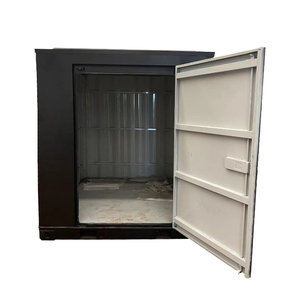
For maritime contractors operating around the Port of Boston, Charlestown Navy Yard, or coastal harbors from Quincy to Cape Cod, rust resilience is critical. Our hot-dip galvanized flatpack storage and shelter containers resist salt-spray oxidation, offering reliable gear storage and security guard houses under harsh marine exposure.
With over 900 completed modular projects globally across 50+ international metropolitan regions, our manufacturing footprint combines high-volume industrial capability with meticulous structural engineering. Operating from state-of-the-art CNC fabrication facilities, we control every stage of production—from raw Q235B steel roll-forming to automated panel lamination and final QC load testing.
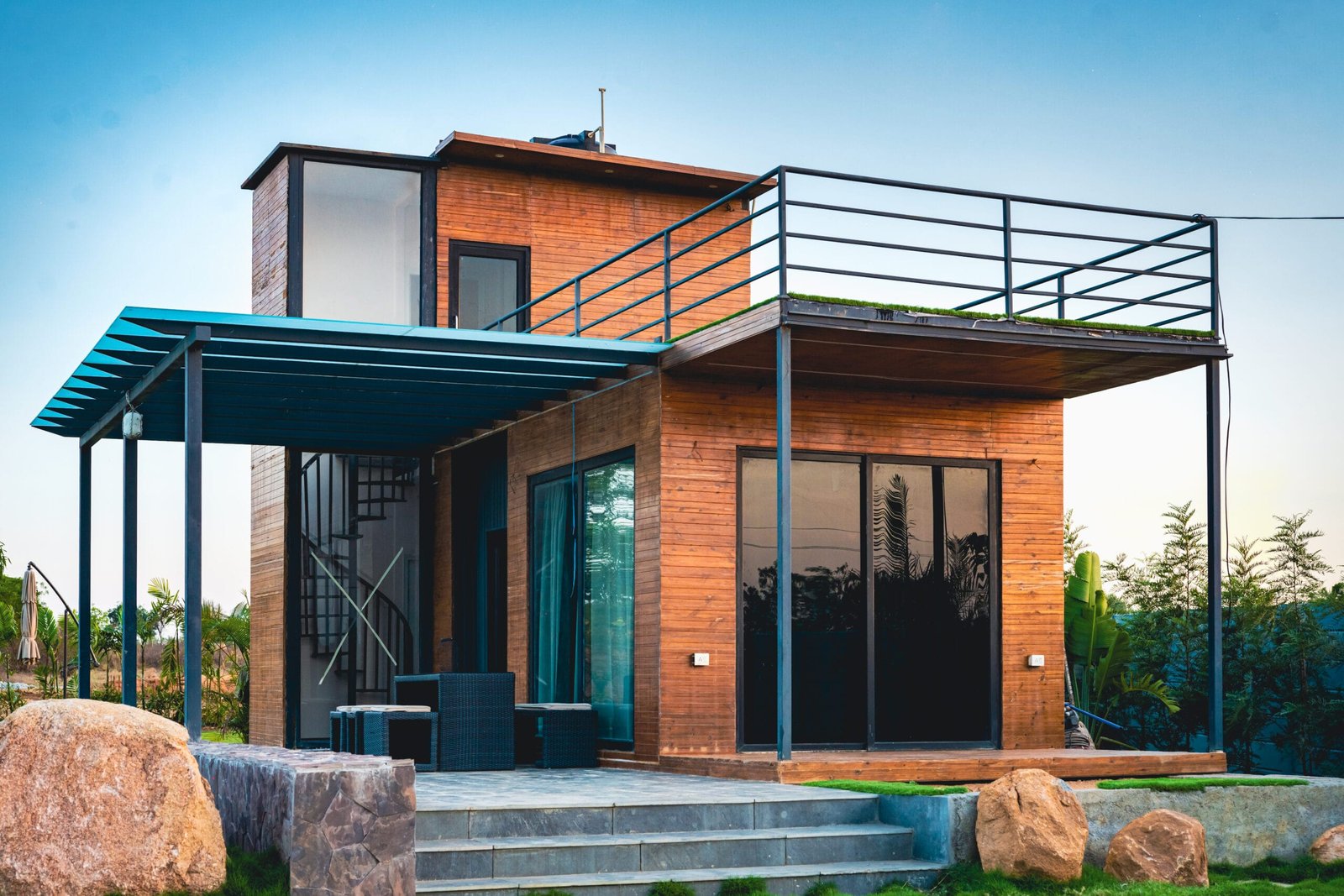
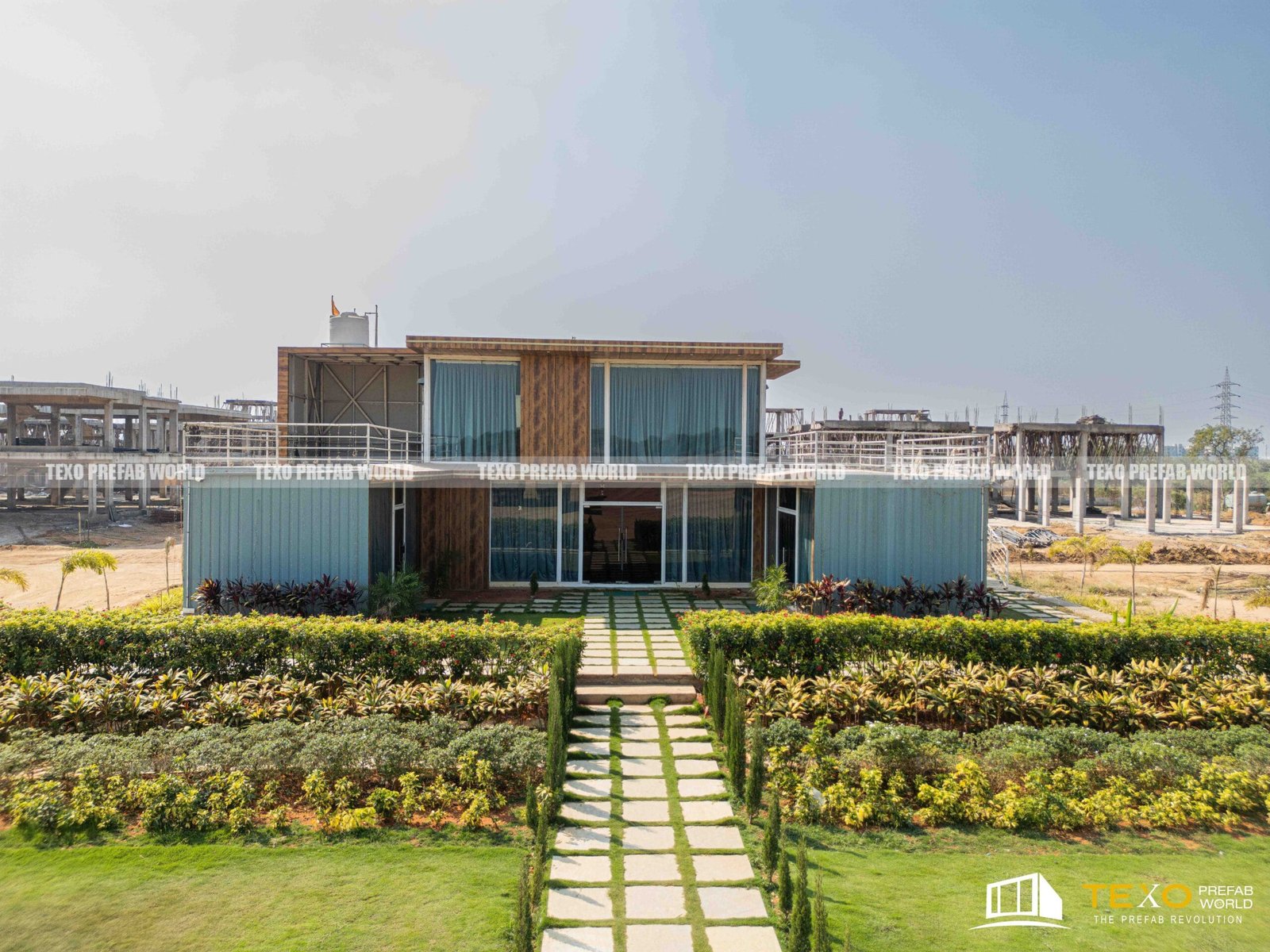
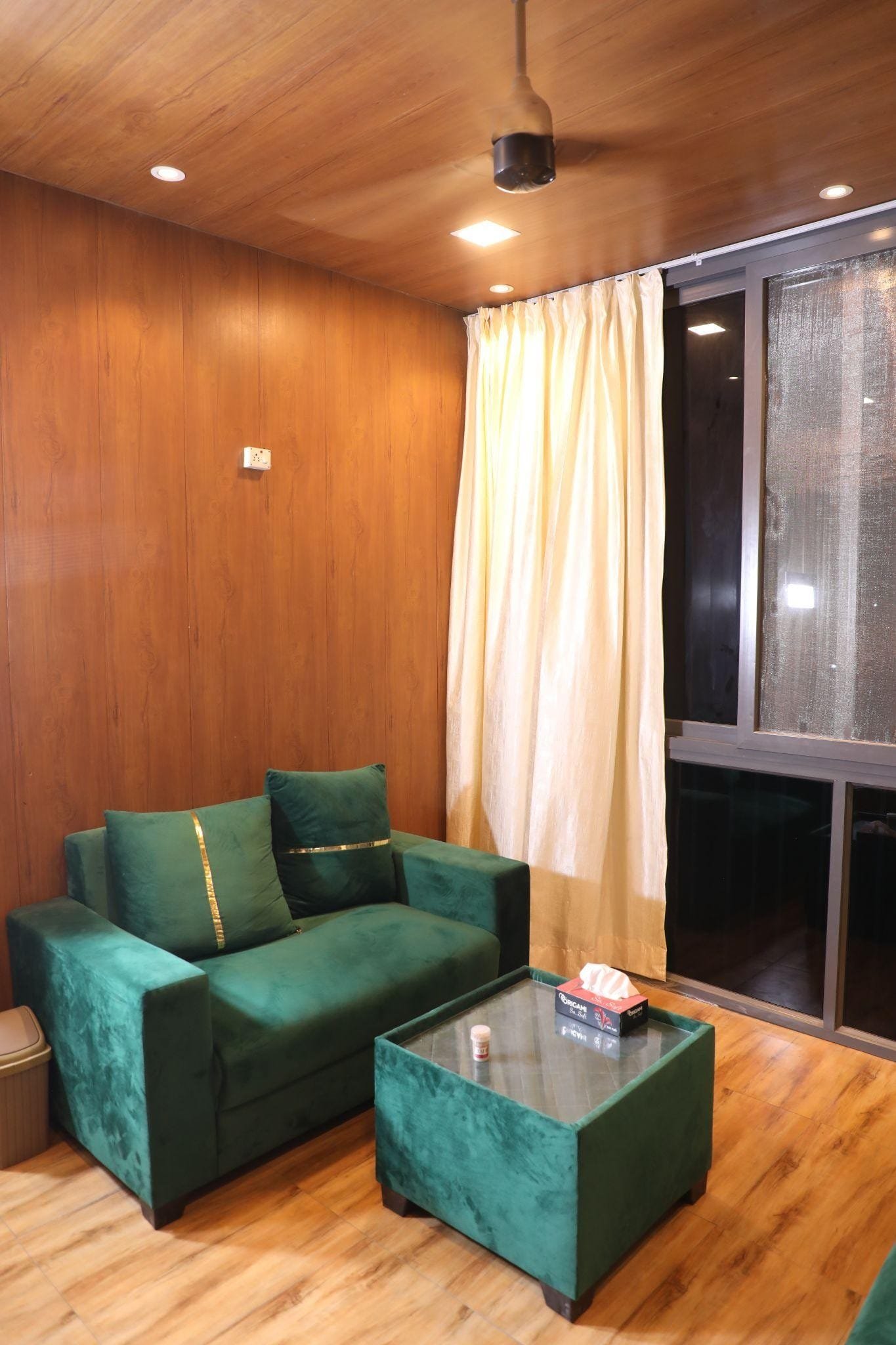
Our dedicated North American export team works directly with US-based general contractors, procurement managers, and logistics freight forwarders to provide seamless door-to-port or door-to-jobsite delivery, complete with ISF filing compliance, custom harmonized tariff coding, and complete assembly guidance documentation.