
Heavy-duty structural framing, ISO-standard transportability, and high-performance thermal insulation tailored for Indonesia's extreme humid tropical weather.
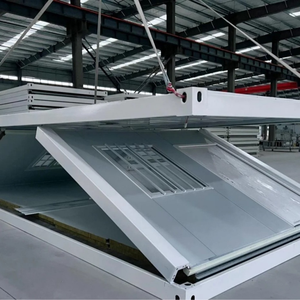
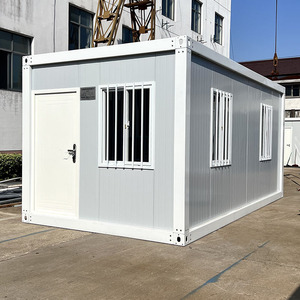
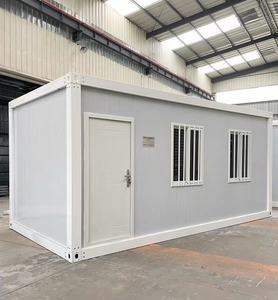
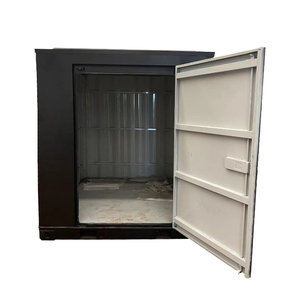
Combining automated robotics, strict zero-tolerance QA/QC, and deep archipelagic shipping logistics to deliver rapid-deployment infrastructure across Java, Sumatra, Kalimantan, Sulawesi, and Papua.
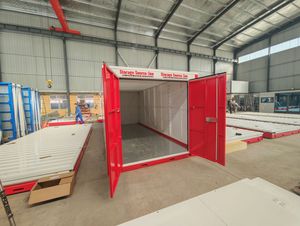
Every structural steel column, corner fitting, and wall panel channel is manufactured using automated CNC laser cutting and cold-roll forming with tolerances under 1 mm, eliminating site modification delays during assembly.
Units are shipped with pre-installed ceiling panels, integrated LED lighting, pre-wired concealed electrical conduits, ceiling distribution boxes, and industrial PVC floor covering, allowing a 7–10 day turnaround on-site.
Designed to endure high atmospheric relative humidity (80%–90%) and coastal marine environments. Structural framing features heavy hot-dip galvanization with electro-static powder coating to prevent red rust.
Procuring prefabricated accommodation and site infrastructure for the Indonesian archipelago presents unique engineering and logistical hurdles. Contracting teams operating in IKN Nusantara (East Kalimantan), nickel processing corridors in Morowali (Central Sulawesi) and Weda Bay (Halmahera), or remote palm oil estates in Sumatra face intense rainfall, humidity, high seismic risk, and complex sea-land multimodal transport paths.
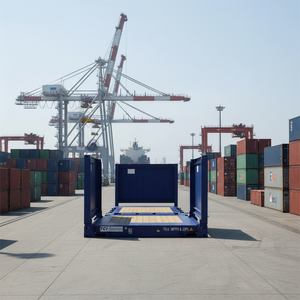
Information Gain Key Metric: Standard ISO flatpack container shipping allows four 20ft flatpack containers to be stacked and latched together into a single 20ft ISO intermodal shipping bundle (SOC - Shipper Owned Container). This delivers up to 75% reduction in maritime freight costs when shipping from primary manufacturing ports to Tanjung Priok (Jakarta), Tanjung Perak (Surabaya), or Semayang (Balikpapan).
Indonesia lies predominantly in tropical rainforest (Af) and tropical monsoon (Am) climatic zones under the Köppen climate classification. Standard painted mild steel structures suffer structural degradation within 24 to 36 months due to continuous exposure to micro-biological growth and high salt-spray concentration.
Our flatpack container frames utilize structural steel (Q235B / Q345B) subjected to high-grade hot-dip galvanization with a minimum zinc coating thickness of 275 g/m² (Z275 specification). The structural corner castings, cold-formed roof beams, and floor purlins are further protected by fluorocarbon (PVDF) electrostatic powder coating. This prevents galvanic corrosion and guarantees a structural design service lifespan exceeding 25 years even in harsh coastal mining zones.
Located on the Pacific Ring of Fire, building projects across Java, Sumatra, Sulawesi, and Maluku must adhere to stringent earthquake building guidelines. Traditional heavy masonry structures fail under lateral shear stress during high-magnitude seismic events.
Flatpack modular container systems operate as light-gauge steel moment-resisting frames (LSMRF). The structural ductility of cold-formed steel profiles combined with interlocking corner block fasteners enables the assembled structures to absorb lateral seismic energy without structural collapse. Engineered to withstand seismic accelerations up to Zone 6 (PGA > 0.4g) and wind uplift loads up to 150 km/h (1.50 kN/m²), these container systems provide essential safety for workforce camps and field command centers.
Direct engineering evaluation comparing flatpack container modules, modified ISO shipping containers, and conventional masonry on remote Indonesian job sites.
| Technical Parameter | Our Modular Flatpack Units | Modified Used ISO Containers | Traditional Masonry / Concrete |
|---|---|---|---|
| Ocean Freight Efficiency | 4 Units bundle as 1 ISO Shipping Unit (SOC) | 1 Unit per shipment (High volume air space) | Bulk raw materials required (High wastage) |
| On-Site Assembly Speed | 4 Workers complete 1 unit in 2–3 hours | Requires heavy crane crane unload only | 3 to 6 months construction cycle |
| Thermal Insulation Value | R-25 (PUF/Rockwool Sandwich Panels) | Poor (Requires internal framing/insulation retrofit) | Moderate (High thermal mass absorbs tropical heat) |
| Atmospheric Rust Rating | Z275 Hot-Dip Galvanized + PVDF Powder Coating | Prone to concealed rust under existing paint | N/A (Plaster degradation & efflorescence) |
| Relocation Flexibility | 100% Demountable & Re-stackable (Plug & Play) | Relocatable but heavy transport required | Demolished upon project completion (Zero asset residual value) |
| Energy Consumption Impact | Up to 30% lower HVAC cooling load requirement | High AC energy draw due to steel conductivity | High baseline air conditioning load |
Customized modular floorplans engineered for primary industrial, governmental, and commercial development zones.
Rapid rollout of contractor offices, worker dormitories, dining halls, and site medical clinics in Sepaku, Penajam Paser Utara (East Kalimantan). Scalable 2-storey and 3-storey modular complexes deployed within days to accommodate thousands of civil engineers.
Engineered for extreme heavy-industrial conditions. Dust-sealed, PUF-insulated modular control rooms, electrical switchgear cabins, and high-density workforce accommodation camps situated inside nickel processing industrial parks in Sulawesi and Maluku.
Portable, relocatable housing modules for palm oil plantation managers, harvest teams, and remote equipment storage. Designed with elevated chassis footings to remain dry during severe tropical monsoon flash flooding events.
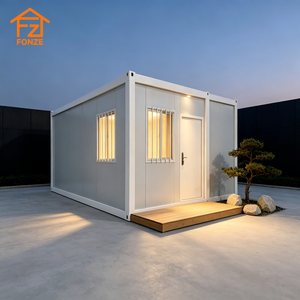
Modern aesthetic modular cabins tailored for eco-resorts in Labuan Bajo, Raja Ampat, and Lombok. Featuring double-glazed panoramic curtain glass, eco-timber exterior composite cladding, and zero-impact foundation setups.
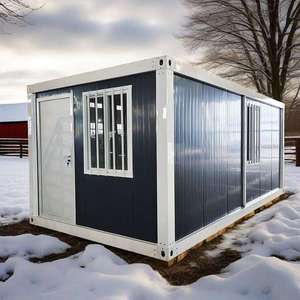
Standardized folding Z-Type and collapsible container houses ready for rapid emergency deployment following volcanic or seismic events. Instant shelter setup requiring minimal site foundation preparation.
Heavy-duty maritime security cabins, port customs offices, and offshore barge accommodation quarters equipped with marine-grade stainless steel hardware and saltwater-resistant sealing gaskets.
Key procedural knowledge to optimize international procurement, customs clearance, and local compliance for Indonesian projects.
Under the ASEAN-China Free Trade Area (ACFTA) agreement, imported flatpack container structures qualify for preferential zero-duty or reduced customs tariffs when supported by a valid Certificate of Origin (Form E). Our export documentation desk handles HS code classification (HS 9406.90) to streamline customs clearance through Indonesian customs checkpoints.
To comply with Indonesia's Tingkat Komponen Dalam Negeri (TKDN) domestic component guidelines on government-funded civil infrastructure projects, we offer semi-knocked-down (SKD) shipment options. This enables main contractors to perform localized assembly, wiring, and interior finishing using Indonesian trade labor and regional component suppliers.
Direct answers to technical, logistical, and commercial inquiries from EPC contractors and procurement managers.
Consult with our structural engineering team today to receive detailed floor plan layouts, CAD drawings, technical data sheets, and competitive direct-factory pricing for your upcoming project.