
Explore our high-performance modular portfolio. Each structure is custom-manufactured using hot-dip galvanized steel frames, thermal-barrier PUF insulation, and marine-grade anti-corrosion coatings designed to withstand Metro Manila's intense humidity, saline atmosphere, and severe monsoon conditions.
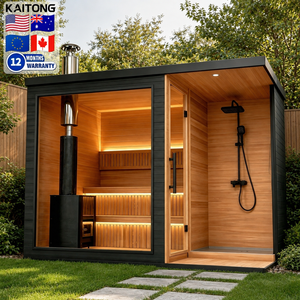
Engineered for expressways like NLEX and SLEX. Features reinforced galvanized steel, dual-pane acoustic glass, integration points for RFID scanners, and split AC wiring rated for 24/7 continuous operation.
Inquire Now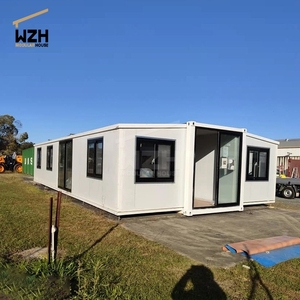
Ideal for toll plaza control hubs and staff rest quarters along Metro Manila arterial roads. Rapid 7-day deployment with pre-installed sanitary facilities and electrical junction boxes.
Inquire Now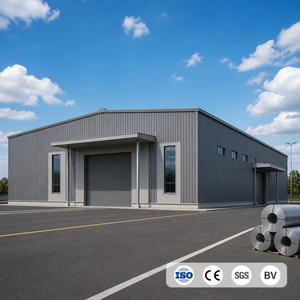
Heavy-gauge structural frame enclosure built for toll equipment storage, maintenance bays, and power backup units near major Manila port and freeway junctions.
Inquire Now
A modern, aerodynamic booth option for private highways, airport bypass roads (NAIAX), and commercial district entry gates in Bonifacio Global City and Makati.
Inquire Now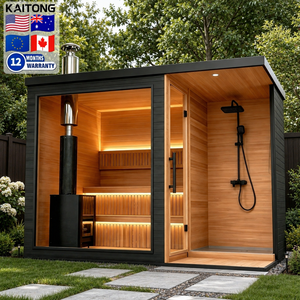
Combines aesthetic exterior paneling with an ultra-durable steel frame. High thermal insulation guarantees toll collector comfort during scorching Manila summers.
Inquire Now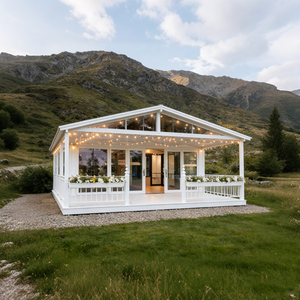
Foldable and relocatable modular quarters designed for temporary toll plaza expansions, construction bypasses, and emergency highway control points in Luzon.
Inquire Now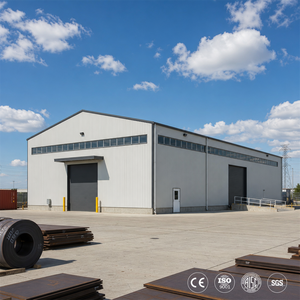
Turnkey modular warehouse and technical shed specifically engineered to house transformer racks, server rooms, and toll gate spare inventory.
Inquire Now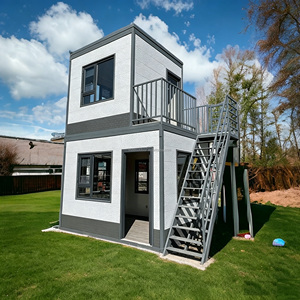
Optimized for cost-effective sea transport to Manila South Harbor. Interlocking modular panels allow 4-hour on-site assembly per booth with plug-and-play wiring.
Inquire NowMetro Manila represents one of Southeast Asia's most challenging operational environments for highway infrastructure. Encompassing over 14 million residents and served by critical tollway arteries—including the North Luzon Expressway (NLEX), South Luzon Expressway (SLEX), Metro Manila Skyway Stage 3, CAVITEX, and the NAIA Expressway (NAIAX)—the demand for resilient, thermally efficient, and electronically integrated toll collection booths has never been higher.
Information Gain Benchmark: Standard commercial guard shacks fail within 24 to 36 months in Manila due to ocean-borne salt mist, tropical rain deluges, solar radiant heat gain exceeding 45°C inside uninsulated cabins, and typhoon wind shear. Custom OEM pre-engineered galvanized toll booths solve these failure points through structural decoupling and factory-applied zinc coatings.
The Philippine Atmospheric, Geophysical and Astronomical Services Administration (PAGASA) records an average of 20 typhoons annually entering the Philippine Area of Responsibility (PAR). Toll booths positioned on elevated expressway bridges (such as Skyway Stage 3) experience amplified wind loads. Our custom OEM toll booths are engineered using finite element analysis (FEA) to withstand super-typhoon wind pressures up to 250 km/h (Category 5 equivalent).
The load-bearing skeleton utilizes Q235B/Q355 hot-dip galvanized structural steel profiles. The zinc layer thickness is maintained at ≥ 85 μm, satisfying ISO 1461 standards for long-term corrosion resistance in coastal environments such as Manila Bay and CAVITEX coastal roads.
Toll collectors operating in Metro Manila face extreme solar irradiance during the dry season (March to May). Ambient temperatures frequently cross 37°C with relative humidity exceeding 85%, resulting in dangerous heat index values. Uninsulated sheet metal booths act as thermal incubators, overloading air conditioning units and leading to frequent system failures.
Our OEM designs incorporate high-density Polyurethane Foam (PUF) core sandwich panels (density ≥ 40 kg/m³) or structural mineral wool cores, achieving an R-25 insulation rating. Combined with low-emissivity (Low-E) double-glazed tempered glass windows with sliding transaction sashes, internal solar heat gain is reduced by up to 65%, maintaining a stable 22°C interior temperature while reducing HVAC power consumption by 30%.
Custom OEM toll booth configurations are engineered to solve specific operational constraints across Metro Manila's diverse road transport infrastructure.
The Department of Transportation (DOTr) and the Toll Regulatory Board (TRB) of the Philippines are actively pushing for 100% interoperable Electronic Toll Collection (ETC) across AutoSweep and EasyTrip systems. As Metro Manila transitions toward Multi-Lane Free-Flow (MLFF) barrierless tolling, the functional role of the toll booth is evolving.
Modern booths serve as hybrid control hubs housing automated card-dispensing machines, RFID exception-handling terminals, and live camera feed monitors for manual intervention during system read errors.
To counteract Manila’s high commercial electricity tariffs, custom OEM booths feature roof-integrated monocrystalline solar PV panels (400W–1200W array) with lithium iron phosphate (LiFePO4) battery back-ups for uninterruptible 24/7 power supply.
Given Manila's severe flash flooding, all lower conduit entries and floor-level junction boxes are sealed with IP65-rated silicone grommets and raised above baseline curb height.
Comprehensive engineering evaluation comparison between pre-engineered galvanized OEM booths and traditional concrete masonry site-built booths for Manila highway projects.
| Evaluation Parameter | Custom OEM Prefab Toll Booth | Traditional Concrete / Masonry Booth | Uninsulated Sheet Metal Cabin |
|---|---|---|---|
| Typhoon Wind Resistance | Certified up to 250 km/h (FEA Verified) | Variable (Dependent on site masonry) | Fails at > 110 km/h (Risk of warping) |
| On-Site Installation Time | 2 to 4 hours per unit (Plug-and-Play) | 3 to 6 weeks per lane (Lane closure required) | 1 to 2 days (Minimal structural integrity) |
| Thermal Insulation (R-Value) | R-25 (High Density PUF / Mineral Wool) | R-4 to R-6 (High thermal mass retention) | R-1 (Extreme heat build-up) |
| Corrosion Resistance Life | 25+ Years (Hot-Dip Galvanized & Fluorocarbon Coating) | Rebar rust expansion causes concrete spalling in 5-8 yrs | Surface rust within 12-18 months in Manila coastal air |
| Relocation & Expansion Flexibility | 100% Relocatable via crane lugs; modular expansion ready | 0% (Requires total structural demolition) | Moderate (Structure warps during transport) |
| Equipment Integration Readyness | Pre-milled cutouts for RFID, intercoms, CCTV, & AC wireways | Manual wall chasing and core drilling required on site | Exposed surface conduits (Vulnerable to moisture/vandalism) |
As a primary OEM exporter serving infrastructure contractors and DPWH concessions across the Philippines, our manufacturing methodology eliminates the risk, delays, and cost overruns associated with traditional on-site construction.
Robotic fiber laser cutting and automated CNC bending ensure dimensional tolerances within <1mm. Doors, sliding transaction sashes, and mounting plates fit perfectly every time.
Electrical wiring (220V/60Hz Philippines standard), LED lighting, distribution boards, interior counters, anti-slip aluminum checker plate floors, and insulation are 100% factory pre-fitted.
Modules are packaged in heavy-duty shrink wrap with corner protections, designed to fit inside standard 40ft High Cube shipping containers for direct delivery to Manila South Harbor or ICTSI.
Detailed answers to technical, logistical, and compliance questions common among tollway concessionaires, EPC contractors, and municipal authorities in the Philippines.
From single commercial gateway kiosks to multi-lane highway toll plaza overhauls across Metro Manila and Luzon, our engineering team is ready to assist with custom designs, structural reports, and competitive factory-direct pricing.