
Precision-engineered, factory pre-assembled modular structures designed for rapid infrastructure deployment, 5G base stations, edge data hubs, and remote site protection.
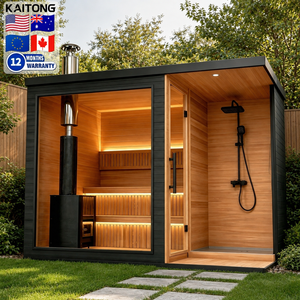
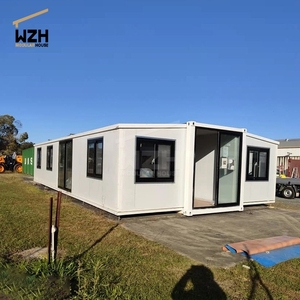
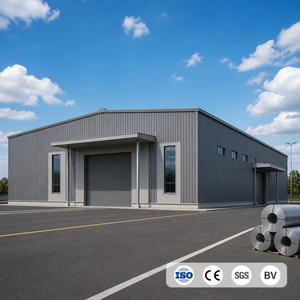


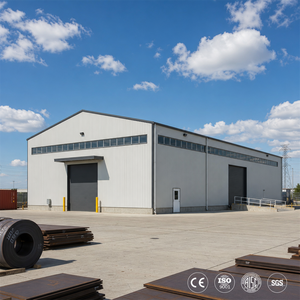
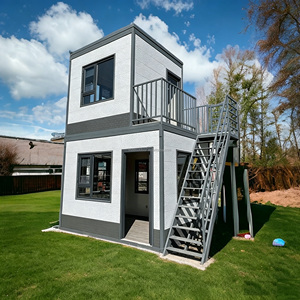
The accelerated worldwide rollout of 5G micro-cells, satellite ground stations, and edge computing nodes has fundamentally shifted how mobile network operators (MNOs), tower companies (TowerCos), and engineering, procurement, and construction (EPC) conglomerates source physical site infrastructure. As telecommunication equipment becomes denser and thermally sensitive, legacy civil masonry construction fails to meet the stringent deployment speed, thermal management, and structural longevity demanded by next-generation networks.
Top China telecom shelter factories have consolidated their market dominance through factory-first off-site prefabrication, advanced CNC automated roll-forming, zero-tolerance polyurethane (PUF) injection technology, and integrated supply chain ecosystems. By shifting more than 80% to 90% of labor from hazardous job sites to controlled factory floors, Chinese exporters deliver heavy-duty telecom equipment shelters, micro-data center enclosures, and PUF insulated control rooms that drastically reduce Total Cost of Ownership (TCO) while guaranteeing operational resilience in extreme climates spanning arctic cold, tropical humidity, and desert heat storms.
This comprehensive whitepaper evaluates the manufacturing benchmarks, technical procurement parameters, future technology trajectories, and quality verification protocols required by global procurement directors sourcing prefabricated telecommunication enclosures from China.
When assessing leading Chinese exporters of telecom shelters and modular equipment rooms, procurement authorities must verify structural, thermal, and electrical performance specs against international codes (ISO 9001, CE, IEC 60529, EN 1090). Below is the standard engineering baseline provided by top-tier manufacturers:
| Performance Vector | Chinese Factory Benchmark | Legacy On-Site Build | Strategic Impact on Telecom Ops |
|---|---|---|---|
| Structural Frame | Hot-Dip Galvanized Light Steel (Z275/Q235B/Q355) | Reinforced Concrete / Un-treated Steel | Prevents rust & stress fatigue for 25+ year lifespan in coastal/corrosive zones. |
| Thermal Envelope | R-25 to R-32 PUF / Rockwool Sandwich Panels (40kg/m³) | Standard Brick / Mineral Wool (R-8 to R-12) | Cuts HVAC energy consumption by up to 30%-40% under continuous operation. |
| Enclosure Protection | IP65 / IP66 Hermetic Sealing + EPDM Gaskets | IP44 Uncontrolled Air Infiltration | Blocks dust ingress, humidity, and micro-particles from delicate 5G active electronics. |
| Seismic Resistance | Engineered for Seismic Zone 4 (Intensity Level 8+) | Variable / Un-tested Structural Integrity | Ensures network uptime and zero structural collapse during major geological events. |
| Wind Load Design | Up to 150 km/h – 220 km/h Typhoon Resistance | Standard Building Code (approx. 100 km/h) | Crucial for hilltop base stations, coastal towers, and island communications. |
| On-Site Installation | 7 to 10 Days Plug-and-Play Assembly | 90 to 120 Days Civil Construction | Accelerates time-to-market and revenue generation for mobile network operators. |
Key technological shifts reshaping how global telecom buyers specify, configure, and order modular infrastructure.
As 5G Standalone (SA) and upcoming 6G architectures push compute capacity to the network edge, telecom shelters are transforming from passive battery/cable housing into active Edge Data Center Shelters. Modern Chinese factories are pre-fitting micro-DC infrastructure inside shelters during fabrication—including cold/hot aisle containment, liquid cooling loops, and intelligent rack-level PDU management.
Global ESG mandates require remote telecom shelters to decouple from diesel generators. Procurement trends favor pre-engineered telecom shelters equipped with rooftop solar mounting frames, integrated MPPT solar controllers, and modular Lithium Iron Phosphate (LiFePO4) battery bays. Top exporters deliver plug-and-play micro-grid shelters engineered for 99.999% uptime in off-grid African, South American, and Southeast Asian deployments.
Modern telecom shelters exported from China are embedded with smart IoT sensor arrays. These systems monitor internal temperature, humidity, hydrogen gas accumulation (from backup batteries), liquid leakage, door access, and electromagnetic interference in real time. Remote SNMP/Modbus telemetry allows network operations centers (NOC) to trigger automated HVAC failovers before equipment breakdown occurs.
Procurement teams are evaluating embodied carbon metrics. Leading Chinese modular factories are adopting 100% recyclable structural steel, HFC-free zero-ODP polyurethane blowing agents, and eco-friendly powder coatings. This sustainable manufacturing workflow helps international telecom carriers meet Scope 3 carbon reduction targets without sacrificing mechanical strength.
When selecting a manufacturing partner in China, procurement teams must look beyond superficial price-per-square-meter metrics. A reliable telecom shelter represents an integrated system comprising structural engineering, thermodynamics, electrical safety, and logistics optimization.
1. Thermal Insulation Efficiency & HVAC Sizing: In tropical or desert environments, ambient temperatures exceeding 45°C can cause base station electronics to thermal-throttle or fail. Top exporters utilize continuous high-pressure polyurethane foaming lines producing sandwich panels with thermal conductivity as low as λ = 0.022 W/(m·K). Integrated dual-redundant precision air conditioners with automatic lead-lag controls ensure continuous internal cooling to 22°C ± 2°C even during external heatwaves.
2. Electromagnetic Shielding (EMC/RFI Protection): High-power transmission towers produce intense electromagnetic fields. Specialized telecom equipment shelters can be custom-fabricated with galvanized steel inner skin panels, conductive gasket seals, and honeycombed wave-guide ventilation filters, providing up to 60dB attenuation against RF interference from 30MHz to 10GHz.
3. Anti-Corrosion & Marine Environment Treatments: Shelters deployed in coastal or high-salinity zones require C4 or C5-I grade anti-corrosion protection in accordance with ISO 12944. Premium Chinese manufacturers execute multi-stage surface treatments including hot-dip galvanizing (min. 275 g/m² zinc coating), epoxy zinc-rich primer application, and fluorocarbon topcoats to prevent rust over 25+ years of unmaintained field service.
4. Logistics Optimization & Flat-Pack vs. Rigid Assembled Delivery: Shipping bulky modular shelters globally requires intelligent freight planning. Leading suppliers offer dual manufacturing formats: fully pre-assembled rigid shelters (ready for immediate crane lifting onto site foundations) and knocked-down flat-pack units (allowing up to 4 to 6 shelter units to be packed into a single 40ft High Cube shipping container, reducing ocean freight costs by up to 65%).
Top Chinese modular structure manufacturers operate dedicated production facilities utilizing automated CNC cold-roll forming mills, robotic welding arms, and computer-controlled panel laminating lines. Key enterprise operational highlights include:
Computerized cutting, punching, and roll-forming ensure component fabrication tolerances below 1mm. This extreme precision eliminates site re-drilling, ensures 100% water-tight panel interlocking, and prevents thermal bridging.
Before dispatch, shelters undergo comprehensive factory acceptance testing (FAT). Electrical distribution boards, cable entry gland plates, fire suppression systems, emergency lighting, and HVAC units are installed and factory-tested, cutting site commissioning time to less than 48 hours.
With over 900 projects delivered across 50+ countries, top Chinese exporters hold deep familiarity with regional building codes, tropical cyclone standards, snow load specifications, and international shipping protocols.
Every telecom shelter can be fully tailored—from single-compartment micro shelters to multi-room layouts separating battery banks, generator bays, and active telecom hardware.
Direct technical and operational answers to support your RFP evaluation and supplier qualification process.
Top Chinese factories utilize structural grade hot-dip galvanized steel (Q235B or Q355B steel) for main corner columns, base perimeter beams, and roof joists. Wall and roof cladding typically consists of high-density PUF (polyurethane foam) or fire-rated Rockwool sandwich panels with pre-painted galvanized steel (PPGI) or aluminum skins, offering exceptional structural rigidity, anti-corrosion properties, and thermal insulation.
Factory production typically takes 15 to 25 days depending on order volume and custom options. Because 80% to 90% of structural fabrication, painting, insulation installation, and electrical conduit routing occurs in the factory, on-site placement on prepared concrete foundations takes only 7 to 10 days for full connection and commissioning.
Prefabricated telecom shelters are engineered to achieve IP65 or IP66 dust-tight and water-jet protection levels according to IEC 60529 standards. Dual EPDM rubber seals around doors and cable entry ports prevent dust particles, rain penetration, and pest entry, safeguarding sensitive telecommunications gear even during desert sandstorms or tropical monsoon rains.
Yes. Fully customized engineering is standard practice. Factories can customize floor dimensions (e.g., 3m x 3m, 4m x 6m, or multi-modular combinations), wall panel thicknesses (from 50mm up to 150mm), door positions, cable feeder entry windows (Roxtec or standard aluminum glands), generator compartments, and anti-vibration raised flooring systems based on client CAD/BIM specifications.
Rigid, fully welded shelters arrive 100% pre-installed but occupy significant shipping volume (1 shelter per 20ft or 40ft container frame). Flat-pack modular shelters are shipped in knocked-down bundles that assemble rapidly on-site using high-strength bolt connections, allowing 4 to 6 complete shelters to fit inside one 40ft High Cube container, significantly lowering ocean freight costs for international buyers.
Rockwool insulated sandwich panels provide Class A non-combustible fire protection (up to 2 hours fire resistance according to EN 13501-1 / ASTM E84). Polyurethane (PUF/PIR) panels are formulated with fire-retardant additives achieving B1/B2 self-extinguishing ratings. Shelters can also be equipped with automatic FM-200 or Novec 1230 gas fire suppression systems with smoke/heat detector integration.
Connect directly with our engineering sales specialists to receive tailored CAD drawings, thermal load calculations, factory price matrices, and shipping solutions for your telecom shelter project.
Contact Us