
Precision-engineered command consoles, insulated modular PLC rooms, and environmental controllers built for continuous 24/7 mission-critical operations.
Strategic evaluation of global control room manufacturing standards, human-factors engineering, modular prefabricated shelters, and industrial automation control desks.
Modern industrial plants, power generation networks, air traffic control towers, and smart city command infrastructure rely heavily on centralized control rooms. As industrial automation shifts toward Industry 4.0, hyper-connected SCADA platforms, and AI-assisted surveillance, the physical environment housing operators and microprocessors must satisfy strict structural, thermal, ergonomic, and electromagnetic benchmarks.
Choosing the right vendor from the global ecosystem of Control Room Manufacturers & Suppliers requires looking beyond simple steel enclosures. Enterprise buyers must conduct holistic risk assessments evaluating human-machine interface (HMI) ergonomics under ISO 11064 guidelines, NEMA/IP ingress protection ratings for dust and moisture, thermal performance of Polyurethane Foam (PUF) wall assemblies, and on-site rapid deployment timelines. This whitepaper establishes a clear, data-driven framework for procurement directors, project engineering leaders, and EPC contractors.
How leading global enterprises evaluate control room OEMs across technical engineering, structural integrity, and long-term TCO.
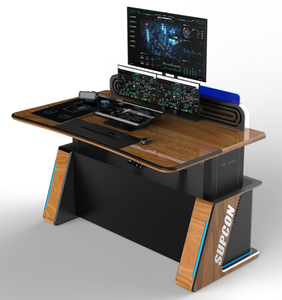
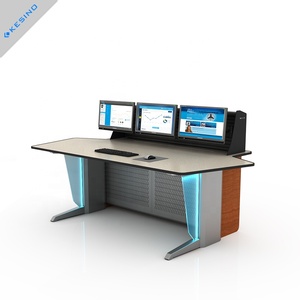
Tier-1 manufacturers design command desks, sightlines, and console depths around human factors engineering, minimizing operator fatigue during continuous 24/7 operations.
Using R-25 polyisocyanurate / PUF insulated sandwich panels, top suppliers reduce HVAC thermal loads by up to 30%, guaranteeing stable climate control for internal PLC cabinets.
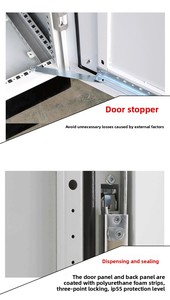
Industrial deployment environments require dust-tight double-door distribution cabinets and weather-sealed room structures capable of blocking chemical fumes, fine particles, and jets of water.
Building on heavy-duty galvanized steel chassis engineered to endure wind speeds up to 150 km/h and seismic vibrations without warping or structural degradation over a 25-year service life.
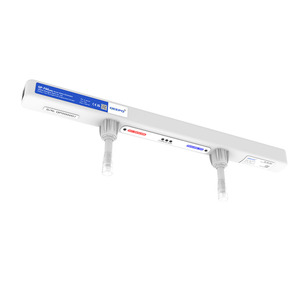
Integration of active continuous static ionizer bars (such as QEEPO systems) and grounded anti-static stainless steel surfaces to shield high-sensitivity digital signal processors.
Automated laser cutting and robotic CNC bending maintaining tight tolerances (<1 mm), assuring seamless on-site modular interlock without field cutting or structural modification.
Completing 80%+ of structural, wiring, thermal, and HVAC work inside controlled factory environments to condense final on-site installation down to 7–10 days.
High-capacity internal wire raceways, pop-up power modules, brushed cable entry ports, and 19-inch rack-mount chassis integration designed for quick server maintenance.
Full lifecycle capability from initial CAD/BIM space planning to international export packaging, seismic calculations, and local code compliance.
Comparing structural, thermal, and operational metrics of leading control room manufacturing paradigms.
| Evaluation Parameter | Factory Modular PUF Control Rooms | Custom Stainless Steel Consoles | Traditional Site-Built Masonry Rooms |
|---|---|---|---|
| On-Site Installation Time | 7 – 10 Days (80% Off-site built) | 1 – 3 Days (Plug & Play Desks) | 60 – 120 Days (Messy Site Construction) |
| Thermal Insulation Rating | High R-25 (PUF Sandwich Panel) | Localized Internal Fan Ventilation | Standard Masonry (R-5 to R-10 baseline) |
| Fabrication Precision | < 1.0 mm Laser CNC Tolerance | < 0.5 mm CNC Sheet Bending | Variable (Dependent on site labor skills) |
| Dust & Moisture Protection | IP55 / IP65 Certified Seals | Gasketed Access Panels | Permeable Walls; Requires Sealed Paint |
| Wind & Seismic Load Specs | Up to 150 km/h Wind Resistance | Heavy Floor-Anchored Chassis | Custom Concrete Engineering Required |
| Relocation & Expansion | 100% Modular Plug-and-Play | Modular Console Extension Packs | Demolition Required (Zero Portability) |
Key technological advancements reshaping command room engineering, supply chains, and industrial specifications over the next decade.
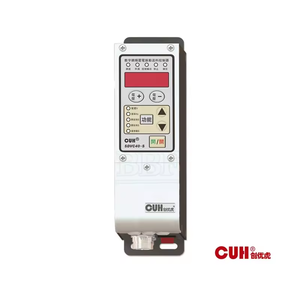
Future control desks are shifting from passive monitoring to interactive AI-assisted workstations. Microprocessors integrated into console logic (like the CCS-101S and CUH SDVC40-S systems) automatically adjust ambient lighting, desk height, and thermal airflow based on operator biometric feedback and stress levels.
Energy developers, solar farm operators, and sub-station EPCs are phasing out traditional brick-and-mortar control buildings. Modular PUF insulated control room cabins pre-fitted with PLC cabinets, HVAC, and fire suppression are now shipped direct-to-site, reducing capital expenditure risks and project slippage.
With stringent enterprise ESG goals, manufacturers are prioritizing high-efficiency thermal envelopes. Utilizing advanced polyisocyanurate cores and reflective exterior skins cuts continuous HVAC power requirements by 30%, yielding substantial utility savings over a 25-year operational lifecycle.
Combining decades of modular building expertise, specialized engineering, and state-of-the-art automated manufacturing.
Every steel frame element and enclosure panel is manufactured on automated CNC machinery to tolerances under 1 mm, ensuring structural alignment and tight atmospheric sealing.
Electrical conduits, distribution boxes, static eliminator bars, and insulation panels are pre-assembled inside our controlled facility, eliminating weather delays and field errors.
Over 900 projects delivered across 50+ industrial cities, supporting power plants, airport traffic towers, food production facilities, and petrochemical monitoring hubs.
Addressing essential technical, logistical, and compliance questions raised by industrial procurement teams.