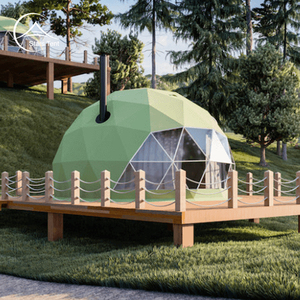
Explore our OEM/ODM modular pod series manufactured with CNC robotics, R-25 insulation core, and structural steel frames for global eco-resorts.
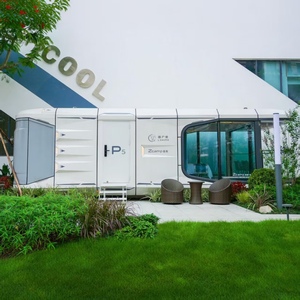
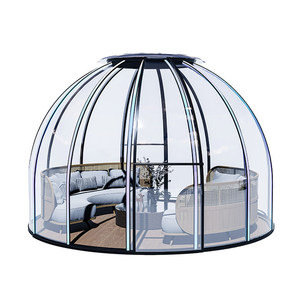
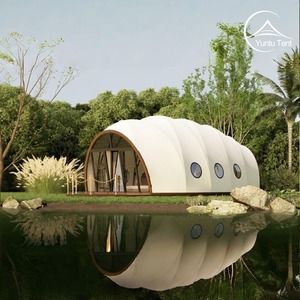
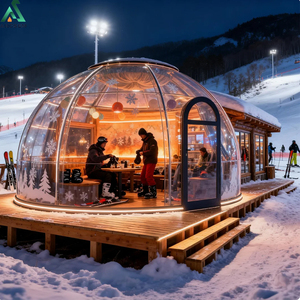
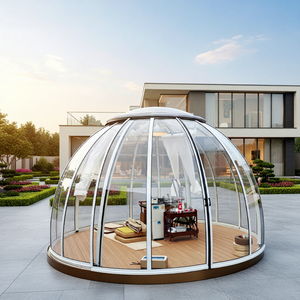
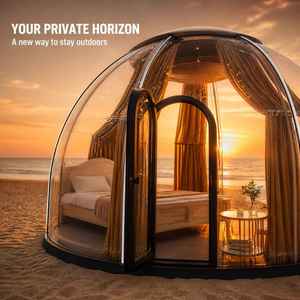
An authoritative analysis on structural load-bearing performance, thermal efficiency dynamics, acoustic decoupling, and global procurement strategies for resort developers.
The global luxury outdoor hospitality sector has experienced a fundamental architectural paradigm shift. Resort developers, commercial eco-lodge operators, and experiential real estate investors are rapidly moving away from traditional wet-construction methods toward high-performance, factory-fabricated modular structures. As a leading OEM/ODM Glamping Pod Exporter, our manufacturing philosophy is rooted in structural precision, materials science innovation, and plug-and-play operational readiness. By shifting over 80% of construction off-site into a controlled industrial environment, project timelines are compressed from years to days while achieving millimeter-level build accuracy impossible to replicate under field conditions.
Modular glamping pods engineered for export must perform flawlessly across diverse thermal zones, high-humidity coastal environments, and severe seismic regions. Our manufacturing framework utilizes heavy-duty galvanized structural steel chassis integrated with hot-rolled structural profiles. This rigid skeleton provides exceptional torsional stiffness and resistance to wind loads up to 150 km/h.
Energy consumption represents one of the largest ongoing operational expenditures for eco-resort operators. Conventional canvas tents or low-grade plastic domes suffer from intense thermal gain in summer and extreme heat loss in winter, placing unsustainable loads on local electrical grids or off-grid solar arrays.
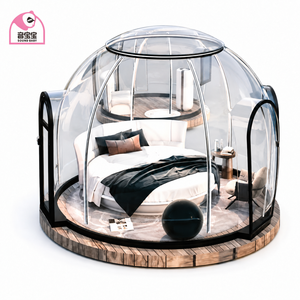
Our OEM/ODM prefabricated glamping pods utilize closed-cell polyurethane (PUF) injection cores alongside high-grade R-25 thermal insulation. Combined with high-performance Bayer/Sabic polycarbonate panels or heavy-duty PVDF (Polyvinylidene Fluoride) architectural membranes, our structures achieve up to 30% lower HVAC energy consumption compared to standard prefabricated modular units. Double-glazed argon-gas filled panoramic windows and UV-coextruded outer shells block 99.9% of harmful ultraviolet radiation while maintaining 360-degree optical transparency for immersive stargazing stays.
Pre-fitted with integrated electrical conduit, luxury plumbing, and modular sanitary spaces, pods arrive 80%+ complete for immediate plug-and-play connection.
Standardized modular dimensions optimized for international 40ft High Cube container packing, reducing ocean freight costs and preventing transport damage.
From exterior PVDF color choices and polycarbonate dome thicknesses to interior layout, smart door locks, and off-grid solar kits.
When evaluating structural procurement for glamping resorts, commercial buyers must contrast industrial off-site manufacturing against legacy stick-built or field-assembled canvas tents. Below is an engineering comparison matrix:
| Evaluation Parameter | OEM/ODM Prefabricated Glamping Pods | Traditional On-Site Build | Standard Fabric Tents |
|---|---|---|---|
| Installation Timeline | 7 – 10 Days (Plug & Play) | 6 – 12 Months | 2 – 5 Days |
| Factory Fabrication Share | Over 80% Off-Site CNC Assembly | 0% (100% On-Site Construction) | 20% Pre-Cut Fabric |
| Dimensional Precision | Tolerances < 1 mm (Robotic Milling) | Varies heavily by field labor skill | Low structural tolerance |
| Thermal Core & Rating | R-25 Closed-Cell PUF / Double Polycarbonate | Varies (Requires custom insulation) | Poor (High HVAC loss) |
| Wind Load Capacity | Engineered for up to 150 km/h | Design Dependent | Typically < 70 km/h |
| Relocation Flexibility | 100% Modular & Reconfigurable | Permanent (Demolition Required) | Relocatable (High Wear) |
| Maintenance & Lifespan | 25+ Years Design Service Life | High ongoing wood/masonry upkeep | 2 – 5 Years fabric lifespan |
Key insights for commercial buyers, resort developers, and procurement heads looking to future-proof their glamping investments.
Modern travelers demand unrestricted visual connection with nature. Sourcing trends show an exponential surge in demand for 360-degree transparent polycarbonate dome houses and high-tensile PVDF membrane structures that resist yellowing, UV oxidation, and extreme hail impact.
Next-generation glamping pods are engineered with native smart home infrastructure. This includes automated climate regulation, smart privacy tinting glass, integrated greywater filtration units, and roof-mounted solar photovoltaic systems designed for zero-grid installations.
Permitting challenges in ecologically sensitive zones mean resorts require non-permanent foundation options. Micro-pile foundation systems combined with modular pod designs allow developers to deploy eco-lodges with zero heavy excavation and zero permanent site destruction.
Rooted in industrial excellence, our manufacturing facility in Hyderabad delivers end-to-end engineered prefab solutions to over 50 cities globally.
Building high-end outdoor modular spaces demands transparent engineering, rigorous material traceability, and predictable delivery timetables. As an established global manufacturer, our production unit combines European design standards with efficient volume manufacturing.
Every pod undergoes rigorous factory staging. We pre-install complete electrical circuits, high-durability flooring, LED ambient lighting, integrated bathroom fixtures, and structural seals prior to shipping. This factory-first methodology reduces on-site labor requirements by up to 80%.
Whether you require branded geodesic clear bubbles for instagrammable stay venues, heavy-duty PVDF tropical units with high humidity resistance, or luxury sound-reduced capsule pods, our engineering team works directly from your CAD/BIM specifications.
Clear technical answers to help international procurement teams, resort developers, and importers evaluate modular glamping pod orders.
Connect with our senior technical sales team for comprehensive CAD floor plans, structural engineering documentation, FOB/CIF container shipping estimates, and OEM/ODM contract terms.