
High-durability prefabricated restrooms, mobile trailer units, and custom container bathrooms engineered for global commercial, industrial, and municipal deployment.
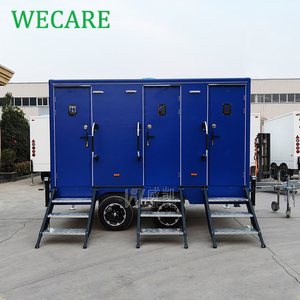
Heavy-duty mobile trailer suite featuring integrated shower and flushing toilet facilities, equipped with dual water tanks and solar auxiliary power for high-end eco-resorts and commercial events.
Get Catalog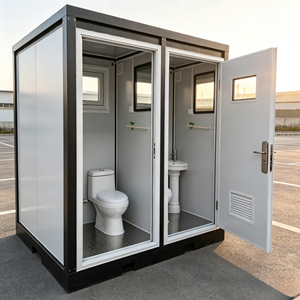
Modular flat-pack container bathroom designed for rapid assembly. Features anti-corrosive PUF wall panels, integrated drainage plumbing, and heavy-duty anti-slip flooring.
Get Catalog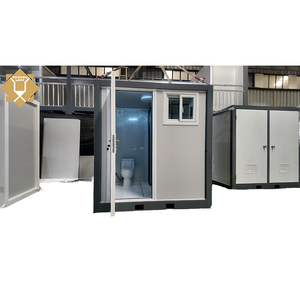
Full 20-foot modified ISO container restroom unit configured with distinct wet/dry zones, high-efficiency ceramic toilets, vanity sinks, and commercial ventilation fan systems.
Get Catalog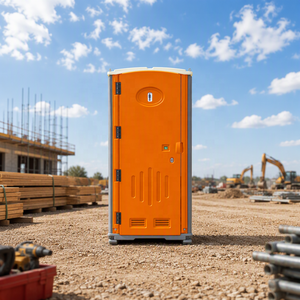
Ruggedized public works container cabin built with galvanized structural steel framing. Designed for intensive worker usage, easy forklift transport, and rapid municipal utility hookup.
Get Catalog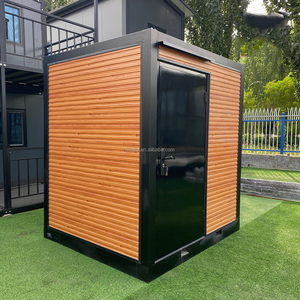
Cost-optimized modular sanitation suite tailored for real estate developments and remote mining camps, utilizing thermal insulated sandwich panels and IP65 waterproof fittings.
Get Catalog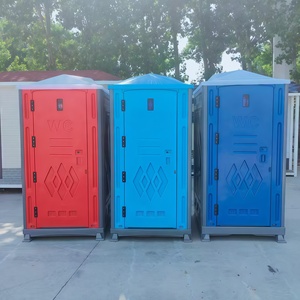
Compact high-density polyethylene and steel hybrid structure offering eco-friendly water consumption, chemical tank compatibility, and UV-resistant exterior coating.
Get Catalog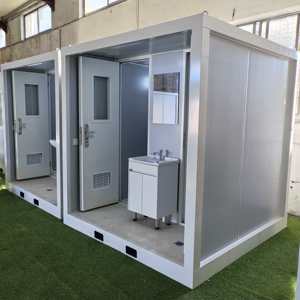
Architectural-grade ISO container modification featuring heavy-duty insulation layers, custom tile finishings, LED lighting networks, and automated odor extraction systems.
Get Catalog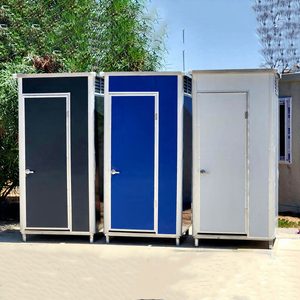
All-weather commercial public toilet facility constructed with cold-formed steel plates, polyurethane core walls, anti-vandalism fixtures, and direct sewer connection manifolds.
Get CatalogThe global demand for modular container toilets across infrastructure projects, commercial real estate developments, emergency relief setups, and outdoor hospitality has reshaped international procurement dynamics. Leading Chinese wholesale container toilet factories have transitioned from basic metal box fabricators into advanced modular engineering entities. Utilizing precision computer numerical control (CNC) machining, robotic welding, and specialized structural engineering, top manufacturers achieve structural tolerances under 1 mm.
Unlike traditional civil construction, which requires extensive onsite wet-trades, foundation curing, and unpredictable labor scheduling, off-site factory fabrication completes over 80% of the building lifecycle inside a controlled factory environment. This controlled process eliminates material exposure to adverse weather, ensures uniform weld penetration on main load-bearing corner castings, and guarantees strict quality control under ISO 9001 certification frameworks.
The primary load-bearing chassis of a premium China-manufactured container toilet relies on cold-formed Q235B or Q355B galvanized steel profiles. The frame undergoes a rigorous multi-stage surface treatment process, including shot-blasting to Sa 2.5 standards followed by anti-corrosive epoxy zinc-rich primer application (C3 to C4 marine-grade anti-corrosion protection). This metallurgical foundation allows the structure to endure severe environmental stress, including wind loads up to 150 km/h and seismic activity up to Magnitude 8.
For thermal performance and energy conservation, wall and ceiling systems incorporate high-density core insulation options tailored to target operational climates:
Chinese OEM/ODM container factories leverage automated laser cutting and multi-axis robotic welding lines. This automation guarantees exact structural alignment, eliminates human error in frame assembly, and allows for rapid customization of modular layout footprints.
All internal piping (PEX water supply and heavy-duty PVC-U drain waste lines), electrical conduits, IP65 waterproof switches, exhaust fans, and LED fixtures are fully pre-fitted and hydrostatically tested at the factory before shipping.
Flooring systems utilize heavy-duty anti-slip aluminum checker plates, patterned stainless steel, or seamless medical-grade PVC sheet flooring heat-welded over marine-grade waterproof plywood or fiber-cement boards to ensure total water tightness and low-maintenance hygiene.
Leading factories comply with international standards including CE (Europe), UL/NEMA electrical standards (North America), SAA wiring codes (Australia), and ISO 14001 environmental management protocols, facilitating seamless site permitting.
When evaluating infrastructure capital expenditure (CapEx) and operational expenditure (OpEx), commercial procurement teams must analyze the total life-cycle cost, deployment speed, and structural flexibility. The table below presents an engineering comparison based on industrial data:
| Evaluation Criteria | Factory Container Toilets (China OEM) | Traditional Brick-and-Mortar | Basic HDPE Chemical Toilets |
|---|---|---|---|
| Onsite Installation Time | 1 to 3 Days (Plug & Play Hookup) | 3 to 6 Months (Masonry & Wet Trades) | Immediate (No Plumbing Hookup) |
| Factory Build Integration | >80% Off-site Pre-assembly | 0% Off-site (100% Onsite Construction) | 100% Molded Plastic Shell |
| Structural Lifespan | 25+ Years (Galvanized Steel Frame) | 50+ Years | 3 to 5 Years (UV Degradation Risk) |
| Relocation Flexibility | High (Reusable Crane Lifting Corners) | Zero (Permanent Demolition Required) | High (Manual Move) |
| Thermal Insulation | High (R-15 to R-25 PUF/Rockwool Cores) | Variable (Depends on Insulation Layer) | Very Low (Single Plastic Wall) |
| Wastewater System | Flushing WC / Sewer or Septic Hookup | Sewer or Septic Hookup | Self-Contained Holding Tank Only |
| CapEx Cost Savings | 30% to 50% Lower Initial Cost | High Baseline Capital Investment | Low Initial Unit Cost / High Maintenance |
As the international modular building industry aligns with corporate ESG (Environmental, Social, and Governance) targets and municipal sustainability mandates, China wholesale container toilet factories are innovating rapidly. Key trends driving the next decade of modular sanitation infrastructure include:
Modern container toilets are increasingly specified with embedded Internet of Things (IoT) sensors. These smart systems monitor holding tank fluid levels, water consumption rates, ambient air quality, and foot traffic volumes in real-time. Automated dosing systems for odor control and occupancy-triggered LED lighting reduce facility management overheads by up to 35% in high-traffic public installations.
Adapting aviation and maritime technology, next-generation containerized public restrooms utilize vacuum flushing mechanisms. Reducing water consumption from standard 6-liter gravity flushes down to just 0.5 to 1.0 liters per flush, vacuum systems enable high-capacity operation in arid or off-grid locations while drastically reducing sewage holding tank pump-out frequency.
For remote eco-tourism sites, industrial mining camps, and disaster recovery zones, top China factories offer fully self-sustained off-grid container toilet modules. Photovoltaic rooftop panel arrays paired with lithium battery storage power ventilation, water pumps, and lighting networks. Additionally, integrated graywater filtration units process handwashing runoff to flush toilets, achieving significant water conservation.
Optimizing international ocean freight efficiency is a major focus for Chinese export factories. Innovating beyond welded rigid shipping containers, advanced flat-pack modular toilet cabins are engineered to ship in bundles. A standard 40ft High Cube (40HQ) ocean container can transport up to 8 complete flat-pack container toilet units, reducing international freight costs per unit by over 60%.
Procuring wholesale container toilets directly from manufacturers in China requires clear communication of engineering specifications to ensure complete compatibility with local building codes and site conditions. Global buyers should utilize the following technical checklist during RFQ (Request for Quote) preparation:
Partnering with an established Chinese wholesale container toilet manufacturer provides international project contractors and distributors with distinct competitive advantages:
Our dedicated structural and architectural engineering teams provide 3D CAD modeling, Building Information Modeling (BIM) files, and detailed plumbing/electrical schematics to support your local municipal planning approval process.
From custom exterior cladding (composite wood paneling, decorative aluminum facade tiles, corporate branding color schemes) to high-end interior marble-look SPC wall boards, every visual and functional element is fully customizable.
Detailed technical and commercial answers for B2B procurement managers, architects, and project developers.