
Factory-engineered prefabricated log cabins, outdoor garden saunas, and modern modular tiny homes manufactured to international building codes.
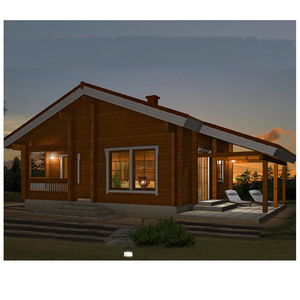
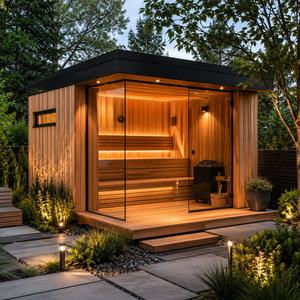
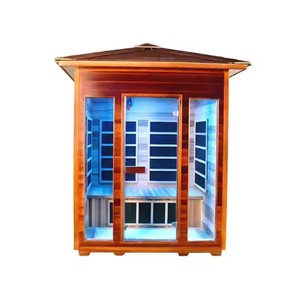
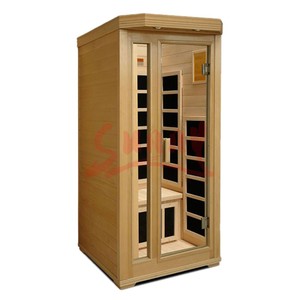
Why leading global developers, resort operators, and B2B importers partner with China's premier wooden cabin manufacturing ecosystem.
Every solid timber component, glulam beam, and log profile is processed via computerized 5-axis timber milling machines. Achieving tolerances under 1 mm guarantees seamless tongue-and-groove locking, eliminates thermal bridging, and reduces field labor overhead by over 30% during on-site assembly.
By combining hot-dip galvanized steel sub-frames with premium timber envelopes, our engineered cabins easily endure seismic activity and high wind forces up to 150 km/h. Structural integrity is preserved even under severe outdoor ground-moisture exposure.
Utilizing high-density polyurethane (PUF) insulation cores, multi-layer vapor barriers, and double-glazed low-E tempered glass, our cabins achieve thermal insulation performance rated up to R-25, cutting HVAC operational power consumption by up to 30% year-round.
Key architectural, materials engineering, and commercial shifts shaping the next decade of prefabricated timber construction sourcing from Chinese manufacturers.
The global hospitality and residential construction sectors are rapidly shifting from light-frame timber to Mass Timber and CLT (Cross-Laminated Timber) technology. Chinese wooden cabin factories are investing heavily in automated hydraulic press lines capable of manufacturing multi-layer solid wood panels. CLT offers exceptional structural stability, fire resistance through predictable charring rates, and superior carbon sequestration. Importers are increasingly prioritizing factories with certified CLT production lines for eco-resort glamping pods and multi-story vacation villas.
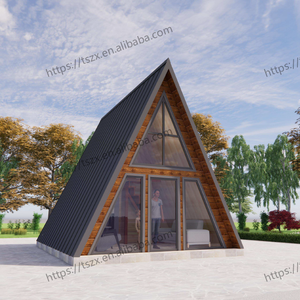
Rising field labor costs in North America, Europe, Australia, and the Middle East are accelerating the demand for complete factory-fitted modules. Advanced Chinese factories now perform over 80% to 90% of the build off-site—including pre-installed electrical conduits, plumbing manifolds, sanitary units, and interior wood paneling. "Plug-and-Play" Apple Cabins and modular A-Frame cabins allow developers to transition from foundation pour to final building commissioning within 7 to 10 days, dramatically accelerating ROI for eco-tourism operators.
Chemical timber treatments are being replaced by high-temperature Thermowood processes (Thermally Modified Timber). Heating timber to 180°C–220°C in a vacuum environment permanently alters its cellular structure, reducing moisture absorption capacity by up to 50%, eliminating fungal decay risks, and enhancing dimensional stability without chemical additives. Buyers sourcing high-end outdoor sauna cabins and luxury resort pods are explicitly requiring Thermowood exterior cladding to ensure resistance against harsh marine, alpine, and desert climates.
Evaluate the operational and technical differences between top-tier Chinese wooden cabin factories, traditional site construction, and uncertified low-cost manufacturers.
| Evaluation Criteria | Tier-1 Chinese Cabin Factory (Precision Engineered) | Traditional On-Site Timber Construction | Low-Cost Uncertified Suppliers |
|---|---|---|---|
| Manufacturing Precision | 5-Axis CNC Milling (< 1.0 mm tolerance) | Manual Field Cutting (5.0 - 15.0 mm variance) | Basic Sawmill Cutting (> 8.0 mm variance) |
| Timber Seasoning & MC% | Kiln-Dried (Moisture Content ≤ 12%) | Uncontrolled Air-Dried (Varies 18% - 25%) | Green Timber / High Warp Risk (> 20%) |
| On-Site Commissioning | 7 – 10 Days (Pre-fitted modular assembly) | 3 – 6 Months (Heavy weather dependencies) | 30 – 60 Days (Frequent field misfits) |
| Thermal Insulation | R-25 Integrated PUF / Rockwool Envelopes | Inconsistently Applied Mineral Wool | Minimal / Single Polyurethane Layers |
| Wind & Seismic Rating | Engineered for Wind Loads up to 150 km/h | Subject to local structural framing skill | Untested Structural Joining Details |
| Service Life Expectancy | 25+ Years with minimal structural maintenance | 15–20 Years (Requires periodic repairs) | 5–8 Years (Prone to rot, warp, and leaks) |
Step-by-step framework to ensure structural compliance, material longevity, and seamless shipping logistics when sourcing wooden cabins from China.
Select raw wood based on geographical installation requirements. Premium Russian Pine (Pinus Sylvestris) offers exceptional grain density for structural logs; Finnish Spruce provides excellent strength-to-weight ratios for prefabricated panelized houses; and Western Red Cedar delivers natural insect resistance and acoustic dampening for outdoor garden steam sauna rooms.
Ensure your supplier calculates proper R-values for wall, floor, and roof assemblies. For sub-zero alpine environments, mandate continuous R-25 insulation with double vapor retarders. For high-humidity coastal glamping resorts, specify marine-grade stainless steel hardware (SUS316) combined with pressure-treated ACQ/CA-B preservative wood finishes.
Prefabricated wooden cabins must be engineered for international containerized freight (40HQ / Open Top containers). Ensure the factory utilizes heavy-duty moisture-barrier plastic wrapping, custom steel palletizing, and anti-fungal desiccant packs to protect kiln-dried timber from ocean-freight humidity spikes during transit.
Detailed answers to critical technical, logistical, and commercial inquiries raised by international B2B buyers.
Chinese manufacturers integrate complete supply chains—combining raw timber importing, industrial kiln-drying, automated 5-axis CNC machining, hot-dip steel galvanizing, and prefabricated modular finishing under one roof. This integrated infrastructure offers global buyers precision engineering (<1mm tolerance), rapid production scalability, and substantial cost advantages without compromising international building codes (CE, ISO9001, ASTM).
Professional factories strictly enforce a multi-stage timber treatment protocol: First, raw lumber undergoes automated computer-controlled kiln drying to reduce moisture content (MC) to a stable 8%–12%. Second, structural components are treated via vacuum pressure impregnation (ACQ/CA-B) or thermal modification (Thermowood). Finally, components are coated with eco-friendly UV-resistant water-repellent oils to protect against field moisture pickup.
Factory manufacturing typically takes 25 to 35 calendar days following architectural drawing approval. Because over 80% of construction—including pre-fitted electrical wiring, plumbing channels, and insulation—is completed inside the factory, on-site crane placement and panelized assembly generally require only 7 to 10 days for standard resort units.
Yes. Custom manufacturing allows integration of fire-retardant timber treatments (Class B/C flame spread ratings), interior fire-rated magnesium oxide (MgO) boards, structural steel core framing, and reinforced rockwool core panels. Structural calculations can be adjusted to meet specific snow loads (up to 2.5 kN/m²) and wind resistance ratings (up to 150 km/h).
Solid log cabins rely on interlocking solid timber beams, providing classic rustic aesthetics and high thermal mass. Modern prefab Apple Cabins utilize a steel-timber hybrid frame with curved glass exteriors, high-density PUF insulation layers, and sleek aluminum composite cladding—delivering a futuristic architectural aesthetic geared toward luxury glamping and urban boutique hotels.
Outdoor garden steam saunas (such as Cedar wood steam sauna cabins and compact 90*90 wood cabins) are either shipped fully pre-assembled on reinforced steel skids or as knock-down (KD) flat-pack kits. Fully assembled units only require crane placement onto a level concrete pad, followed by quick electrical connection to the electric sauna heater.
Whether you are developing a luxury glamping resort, sourcing modular A-Frame vacation villas, or expanding your prefabricated housing distribution network, our engineering desk is ready to provide detailed CAD layouts, structural calculations, and factory-direct quotation packages.
Get Catalog