
Choosing a Portable Toilet Cabin in 2026 means balancing comfort, durability, hygiene, and operating cost. A cabin may look simple on a product sheet. On a muddy construction site or a crowded event ground, small design choices become obvious: door clearance, ventilation, floor grip, and how easily the unit can be serviced.
Market growth adds context, but it does not make every model suitable. Grand View Research estimated the global portable toilet rental market at about US$17.2 billion in 2023 and projected continued growth through 2030. This is a market estimate, not a buying recommendation. It does suggest that buyers face more options and should compare specifications carefully. The Portable Sanitation Association International (PSAI) also provides industry resources on portable sanitation practices. Use supplier claims alongside those resources, and ask how a cabin performs under your actual use conditions.
Start with the setting. How many people will use the cabin, for how long, and how often can service vehicles reach it? Then compare capacity, tank design, handwashing options, accessibility features, weather resistance, and cleaning requirements. Check the materials and replacement-part availability, too. Details matter. A low purchase price can hide frequent servicing or difficult maintenance. And a polished brochure cannot prove real-world performance.
This guide explains how to assess those trade-offs in 2026. It also points out where the evidence may be incomplete. No cabin fits every site. The right choice is the one that meets users’ needs and can be maintained reliably.
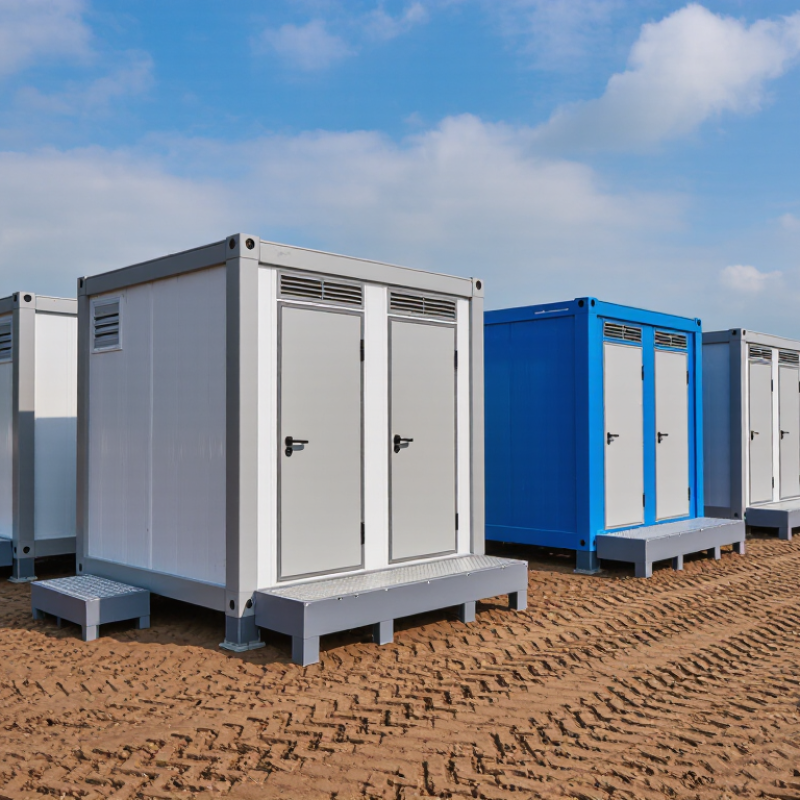
Start with the site. Map entrances, work zones, slopes, truck access, and drainage before selecting a cabin. Then estimate users by group: crew, visitors, vendors, and people needing accessible facilities. Count peak use, shift overlap, event duration, and handwashing demand. Daily attendance alone can mislead.
OSHA’s construction sanitation table sets one toilet seat and one urinal for crews of 20 or fewer, then scales provision for larger crews (29 CFR 1926.51(c)). Use this as a construction benchmark, not a universal event formula; local requirements differ. On a muddy site, service access matters too. A cabin placed behind stacked materials may meet a count, yet be unusable when queues form. One assumption deserves another look: average use hides the lunch-break surge.
Tips: Walk the route with a tape measure. Check turning space, lighting, firm ground, and servicing access. Keep the first cabin close to users, not merely close to the gate.
Portable toilet cabins differ in capacity, access, flushing, and handwashing—not just appearance. A basic single-stall unit suits short events and tight sites, but queues grow quickly at busy entrances. Accessible cabins need a wider turning area, a level approach, and reachable fixtures. Restroom trailers add multiple stalls and sinks, though they need more setup space and often reliable utility connections. Space matters.
For water-flush configurations, the U.S. EPA WaterSense specification sets a benchmark of 1.28 gallons per flush or less, at least 20% below the federal 1.6-gallon standard for conventional toilets. This is a useful efficiency comparison, not a guarantee about every portable cabin. At U.S. construction sites, OSHA’s sanitation table specifies one toilet for 20 or fewer workers, offering a practical starting point for estimating demand. Choose tank capacity and servicing frequency around peak use, not the daily average. A handwashing station beside the unit also changes the layout and queue. Small details count. A specification sheet rarely captures muddy access paths or a door that swings into a narrow walkway; those are easy to underestimate.
How to Choose a Portable Toilet Cabin in 2026
Evaluate Capacity, Accessibility, Durability, and Essential Features
Capacity depends on peak use and servicing, not just the number of cabins. OSHA’s workplace sanitation table specifies one toilet for 1–15 employees and two for 16–35. Treat these figures as a workplace reference, not an event-sizing rule. Check opening hours, expected queues, and pump-out frequency. A full tank can make a tidy cabin unusable before lunch.
Accessibility needs room to maneuver. The U.S. Access Board’s 2010 ADA Standards specify a 60-inch turning space in accessible toilet rooms. Check the approach, threshold, doorway, grab bars, and interior clearance against applicable standards. For durability, inspect floor grip, door hardware, roof seams, and ventilation. Ask how the cabin handles rain, heat, and frequent cleaning. A polished checklist can still miss a sticking latch; test the door yourself.
Tips: Confirm cleaning and service schedules in writing. Fit the site. Then check maintenance access. Add a waste bin, handwashing option, and clear directional signs where needed. CDC guidance recommends scrubbing hands with soap for at least 20 seconds, so make washing practical, not an afterthought.
Accessibility benchmarks for evaluating an accessible portable toilet cabin
The bars show the minimum benchmark in inches; grab-bar and seat-height ranges are noted in the labels. These ADA Standards dimensions apply where the standards are applicable. Match cabin capacity to expected users and applicable sanitation requirements, and check materials, floor construction, ventilation, and weather resistance for the intended site and use.
References: turning space, door clear width, toilet and grab-bar dimensions.
A portable toilet cabin should fit its users, site, and servicing plan—not just the available space. Check that the interior allows comfortable movement and that the door, lock, and ventilation suit the location. Sanitation features matter, too. Ask how waste is contained, how handwashing is provided, and which cleaning products and procedures the unit requires. A tidy cabin can still become unpleasant if its tank is undersized or access for servicing is awkward.
Tips: Estimate peak daily use, not average use. Confirm how often the cabin will be cleaned and emptied, who handles callouts, and whether the service vehicle can reach the site. Get the schedule in writing. Small access problems can cause missed visits.
Before ordering, check local requirements with the relevant municipality or site authority. Rules may cover placement, accessibility, drainage, permits, or minimum facilities, and they can differ by location. Keep the guidance you receive with the rental or purchase records. It is tempting to choose the cheapest cabin and assume servicing will be simple; that assumption can fail during a busy event or a wet week. Compare the full service plan, confirm delivery and collection arrangements, and inspect the unit after setup. A few details may still be overlooked, so leave time to correct them before use.
In 2026, compare portable toilet cabin suppliers by requesting the same written specification from each. Include cabin dimensions, tank capacity, ventilation, handwashing facilities, and accessibility features. Ask for recent product photos and clear warranty terms, not just a price list. Small details matter. A low quote may exclude delivery, waste servicing, or essential site preparation. Request an itemized estimate covering purchase or rental, scheduled cleaning, consumables, repairs, and collection. Check whether charges change with rental length or delivery distance.
Confirm the delivery window, unloading method, and access requirements before placing an order. A narrow gate, soft ground, or overhead branches can complicate placement. Ask whether the supplier provides a crane or forklift, and who prepares a level, stable base. Some cabins arrive ready to use; others need setup, connection, or inspection on site. Not every location needs the same arrangement. It is easy to overvalue a fast delivery promise and overlook service response times. Ask how quickly the supplier can address a blocked unit or damaged door, and get the answer in writing. Compare the full cost and practical support, not just the cabin’s headline price.
Estimate demand from peak use, opening hours, and servicing frequency. For workplaces, a common reference is one toilet for 1–15 employees and two for 16–35. Events may need a different estimate. Queues matter.
It can suit a small event or a tight site. At a busy entrance, queues may grow quickly. A restroom trailer offers multiple stalls and sinks, but needs more setup space.
Check the level approach, doorway width, threshold, grab bars, and interior clearance. A 60-inch turning space is a useful benchmark. Measure the actual site; a diagram may not show a narrow path.
A flush rate of 1.28 gallons or less is an efficiency benchmark. It does not guarantee every cabin meets that figure. Ask for the unit’s specifications.
Match tank capacity and pump-out frequency to peak use, not the daily average. A full tank can make a clean-looking cabin unusable. Timing is easy to underestimate.
Check floor grip, door hardware, roof seams, and ventilation. Consider rain, heat, and frequent cleaning. Test the latch yourself. Small details matter.
Request itemized costs for delivery, cleaning, consumables, repairs, and collection. Confirm whether rental length or delivery distance changes the price. A low quote may leave out essentials.
Check the delivery window, unloading method, access route, and base preparation. Narrow gates, soft ground, and low branches can cause problems. Get setup details in writing.
Yes. Place a handwashing station near the cabin and allow room for queues. Make soap and water easy to reach. The layout can still be awkward.
Choosing the right Portable Toilet Cabin in 2026 starts with understanding the site, the people who will use it, and how long it will be needed. Consider whether the cabin is for a construction area, an outdoor event, or another temporary location, then compare suitable types and configurations. Estimate user numbers and expected usage to select adequate capacity, and assess accessibility, durability, ventilation, privacy, and other essential features for the environment.
Before making a decision, review sanitation arrangements, servicing frequency, waste handling, and applicable local requirements. Compare suppliers based on the full cost rather than the initial price alone, including delivery, setup, maintenance, and removal where relevant. Confirm access to the site, installation needs, and scheduling in advance. A well-matched cabin can support reliable hygiene, comfort, and practical operation throughout its intended period of use.